
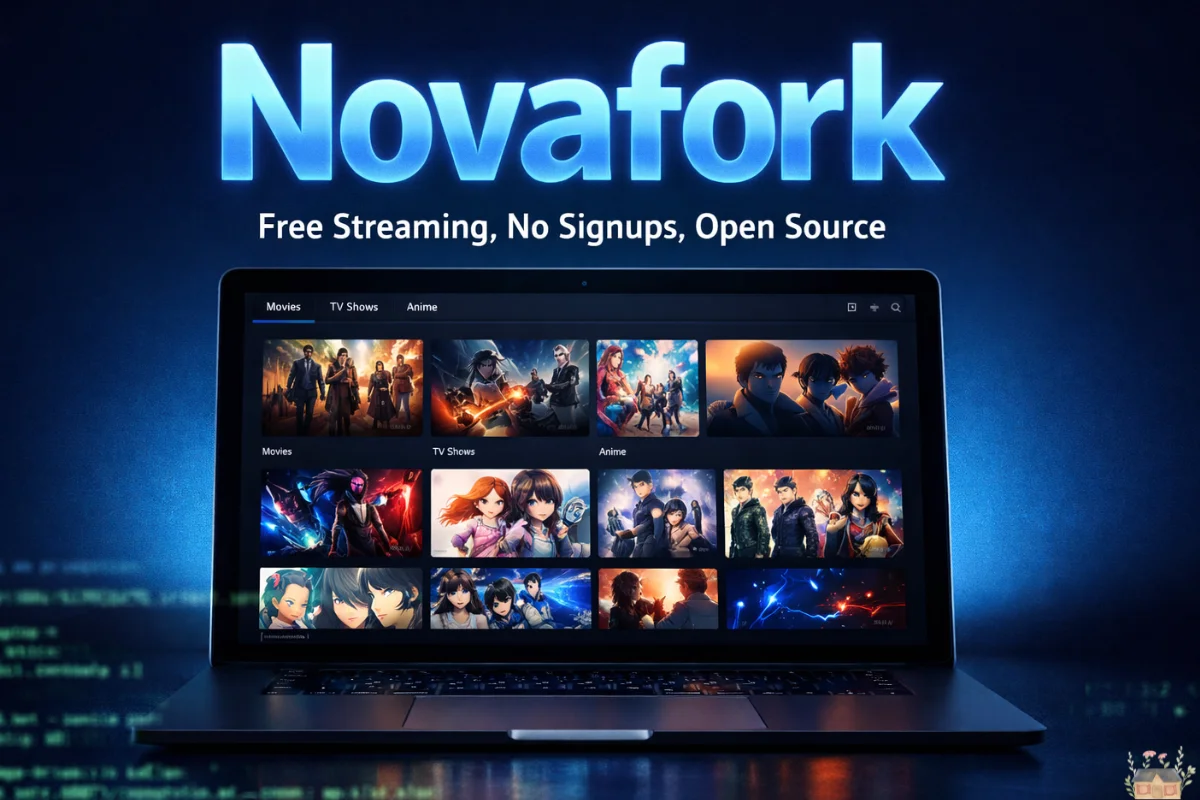
Novafork has quietly become one of the most talked-about names in streaming circles, and for good reason. Unlike the ever-expanding universe of paid platforms demanding monthly commitments, this browser-based platform offers something increasingly rare: instant access to movies, television shows, and anime without asking for a credit card, an email address, or even five minutes of your time to set up a profile. It works right now, in the tab you already have open.
But labeling Novafork as merely “another free streaming site” misses the larger story. What makes this platform genuinely interesting isn’t just what it does—it’s how it works, who’s building it, and what its existence says about where digital entertainment is headed. Whether you’re a casual viewer tired of subscription bloat or a developer curious about open-source media projects, understanding Novafork means understanding a shifting moment in how we consume content.
Beyond the Play Button: Understanding Novafork’s Architecture
Most users never see past the search bar and video player, and that’s by design. Novafork’s front end is deliberately minimalist, stripping away everything that doesn’t serve the single goal of playing content quickly. But underneath that clean interface sits a layered technical stack that balances simplicity with surprising sophistication.
Novafork functions as a metadata and aggregation layer rather than a hosting service. When you search for a title, the platform queries The Movie Database (TMDb) to populate posters, synopses, cast information, and release years. This is why the browsing experience feels familiar—it’s drawing from the same database that powers many legitimate fan sites and even some production studios.
The real distinction appears in the next step. Novafork simultaneously reaches out to multiple third-party video host APIs, cross-referencing availability and stream quality. It doesn’t store files; it finds them. This distinction matters because it explains both the platform’s speed and its legal ambiguity. The team behind Novafork isn’t uploading movies—they’re building better maps to content already scattered across the open web.
The Fork in the Road: What “Open Source” Actually Means Here
The word “fork” in Novafork isn’t accidental. It’s a deliberate reference to software development terminology where developers take existing code, modify it, and create something new. Novafork’s GitHub presence transforms it from a simple streaming site into something closer to a public utility—or at least a public blueprint.
This open-source foundation creates three distinct advantages:
- Transparency – Anyone can examine the code for tracking scripts, data collection, or suspicious behavior. For privacy-conscious users, this alone justifies choosing Novafork over anonymous aggregators.
- Longevity – When individual instances of Novafork get taken down—and they do—the code persists. New versions reappear because the instructions are publicly available, not locked inside a corporate server room.
- Customization – Developers aren’t limited to watching content. They can strip features, add functionality, or rebuild Novafork entirely for specialized use cases like museum kiosks, educational servers, or personal media archives.
This is active participation, not idle streaming. It’s participatory infrastructure.
Why Resolution Wars Miss the Point: Novafork’s Real Technical Achievement
Streaming platforms love to compete over resolution. 4K, 8K, HDR, Dolby Vision—the marketing arms race prioritizes visual fidelity above almost everything else. Novafork supports HD, 3D, and 4K content, but listing these formats as “features” actually undersells what the platform accomplishes technically.
The genuine innovation is adaptive aggregation under zero authentication.
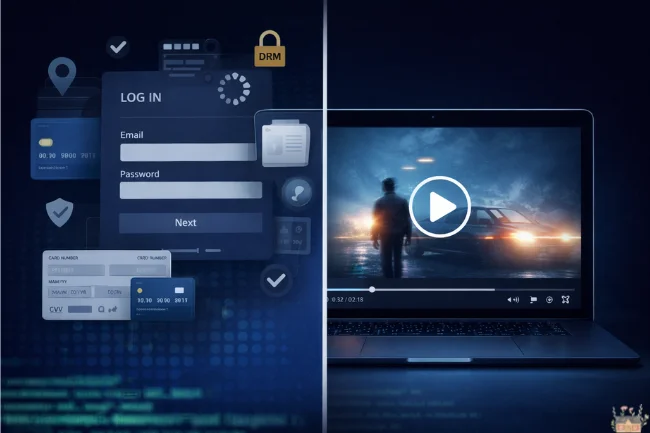
Consider what most streaming services require before delivering even a single frame: account creation, payment verification, device registration, DRM handshakes, geolocation checks, and often proprietary app installation. Every requirement slows the experience down. Each step assumes the user should prove themselves worthy of access.
Novafork reverses this assumption. It asks nothing and delivers what it can find. The playback engine adjusts resolution dynamically based on current network conditions without endlessly buffering or demanding that you “check your connection.” Subtitles load when available, but don’t halt playback when missing. The player fails gracefully and offers alternatives rather than error screens.
This represents something deeper than ease of use. It represents a philosophical stance about who streaming should serve and how quickly it should respond.
The Anime Factor: Novafork’s Unexpected Growth Engine
If you track where Novafork conversations happen most intensely, you’ll notice a pattern: anime communities. Reddit threads, Discord servers, and Twitter discussions about the platform frequently originate from fans of Japanese animation, particularly those outside North America and Western Europe.
The answer is fairly obvious. Licensed anime streaming services operate within strict territorial boundaries. A show available on Crunchyroll in Texas may be completely inaccessible in Manila, São Paulo, or Nairobi. Even when licensing expands, it lags—sometimes by years. Novafork doesn’t recognize these borders.
Simulcast parity becomes possible not through corporate negotiations but through community indexing. When a new anime episode airs in Japan, aggregated sources often make subtitled versions available within hours. Novafork’s architecture simply points to these existing uploads. For fans accustomed to waiting seasons or permanently missing simulcast windows, this immediacy transforms how they participate in global fan culture.
The scope extends further than big-name titles. Novafork’s long-tail strength surfaces niche genres, older OVAs, and catalog anime that streaming platforms have abandoned. The platform functions as a de facto preservation layer for content with commercial value too low for license renewal but cultural value high enough to keep circulating.
Who Actually Builds This? The Anonymous Collective Question
One of the most persistent questions about Novafork involves authorship. Unlike corporate streaming platforms with press teams and executive bios, Novafork maintains deliberate anonymity. GitHub repositories appear under pseudonyms. Communication happens through pull requests and issue threads rather than official statements.
This isn’t evasion—it’s survival architecture. Operating in legal gray zones requires operational distance. But the anonymity also creates a specific kind of trust relationship with users. There’s no demand for allegiance and no corporate identity to promote. The software either functions or it fails. You’re free to adopt it, adapt it, or walk away.
Developers who contribute to Novafork forks often cite three motivations:
- Portfolio building – Demonstrating competency with API integration, responsive design, and video player optimization.
- Access ethics – Belief that entertainment should not be gated by geography or income.
- Technical curiosity – Interest in building lightweight streaming systems without corporate bloat.
This decentralized development model means Novafork evolves unpredictably but continuously. When one instance adopts better subtitle parsing, that improvement propagates. When someone optimizes mobile layout, others copy the pattern. No product roadmap. No quarterly priorities. Just incremental community improvement.
Privacy Without Promises: What Novafork Doesn’t Say Matters

In an era where every streaming platform collects viewing data to train recommendation algorithms and sell advertising, Novafork’s silence on privacy is actually instructive. It doesn’t publish privacy policies because it doesn’t require you to agree to data collection terms. It doesn’t track watch history because there’s no user account to associate with viewing patterns.
This absence of surveillance is itself a feature.
Compare this approach to free, ad-supported platforms that monetize through aggressive data collection. Those services are “free” only in currency; you pay in behavioral data. Novafork doesn’t even ask for that. The transaction is simpler: you bring a browser, it attempts to play your request. When you close the tab, the relationship ends.
Security concerns remain valid—third-party video hosts vary in safety, and clone domains attempting to mimic Novafork sometimes bundle malicious scripts. But the distinction between platform risk and user behavior matters. The original Novafork code doesn’t contain keyloggers or cryptocurrency miners. The danger lies in where the streams originate, not the player itself.
The Sustainability Problem Novafork Hasn’t Solved
For all its technical elegance, Novafork faces an existential challenge that code alone cannot fix: sustainability. Hosting costs money. Development time always comes at a trade-off. Third-party video sources disappear unpredictably. Legal threats, even when unsuccessful, consume energy and attention.
Unlike commercial streaming platforms with venture capital or subscription revenue, Novafork operates without a financial runway. Some instances display minimal advertising to cover server costs. Some depend on community contributions. Many simply vanish when maintainers lose interest or face pressure.
This fragility isn’t necessarily a flaw. Temporary tools can be exactly what a moment requires. But users expecting the reliability of enterprise-grade infrastructure will be disappointed. Novafork works brilliantly until suddenly it doesn’t, and then a new fork appears, and the cycle repeats.
The hybrid future some observers predict—freemium tiers, legal public domain collections, optional paid access to licensed content—remains speculative. What’s certain is that the current model, while functional, is not structurally permanent.
Practical Playbook: How to Use Novafork Intentionally
If you’re ready to explore Novafork, approach it like you would any powerful but unregulated tool. A few protocols separate seamless experiences from frustrating ones:
- Browser selection matters. Chromium-based browsers generally deliver the most consistent playback. Firefox performs well with additional privacy hardening. Avoid built-in browsers on smart TVs that lack ad-blocking capabilities.
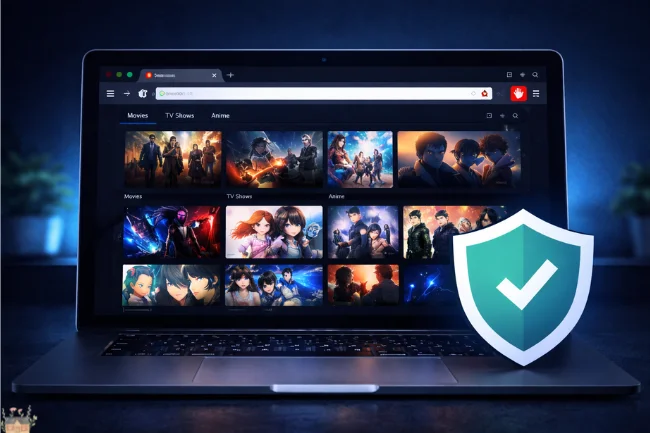
- Ad-block protection is necessary, not optional. Block Origin or comparable tools prevent redirect attempts and deceptive pop-ups that sometimes accompany third-party streams. This isn’t about avoiding ads—it’s about avoiding malicious domains disguised as video players.
- Verify before installing. Novafork runs directly in your browser with no downloads needed. Any site prompting you to download software, extensions, or codecs is impersonating the platform. The genuine experience happens entirely inside your existing browser.
- Test with public domain content first. Before relying on Novafork for specific viewing needs, confirm functionality with openly licensed material. This verifies your configuration without introducing copyright ambiguity.
- Be aware of the content you’re accessing. Not every title available through Novafork carries a clear licensing status. Being an informed user means recognizing when you’re viewing officially released content versus unauthorized distribution.
The Larger Signal Novafork Sends to the Streaming Industry
Platforms like Novafork exist because of a gap the mainstream industry refuses to close. Streaming subscription prices keep climbing. Catalog depth shrinks as services prioritize original programming over library retention. Geographic restrictions fragment global audiences into second-tier markets. Each of these decisions, rational from a corporate perspective, collectively creates demand for alternatives.
Novafork isn’t trying to replace Netflix. It’s demonstrating that streaming can be lighter, faster, and less extractive. That demonstration, more than any specific title in its library, is the genuine disruption.
Industry executives who dismiss Novafork as piracy haven’t looked closely enough. Piracy aims to replicate paid experiences without payment. Novafork aims to build something differently architected—not just free, but fundamentally unlike the subscription model. The distinction is meaningful because it reframes the solution entirely.
Perhaps what users actually want isn’t free access to everything, but friction-free access to something. Perhaps the demand isn’t for lower prices but for fewer gates. Perhaps the success of browser-first streaming reveals that apps were never necessary, just imposed.
FAQs
Does Novafork store my watch history or personal information?
No. Because Novafork doesn’t require user accounts, there is no infrastructure for tracking individual viewing patterns or storing personal data. Each session is independent and untethered from previous visits.
Can I download movies from Novafork to watch offline?
Novafork is designed for streaming, not downloading. There is no option to save videos for offline viewing. Third-party tools claiming to capture streams from Novafork operate independently and carry significant security risks.
Why does Novafork sometimes stop working?
Individual Novafork instances depend on third-party video sources that frequently change or disappear. When a specific instance loses access to reliable streams, functionality degrades until maintainers update the aggregator or users migrate to active forks.
Is Novafork available as a mobile app?
No official Novafork app exists. The platform intentionally operates through web browsers across all devices. App store listings claiming to be Novafork are unauthorized and potentially malicious.
How do I find the current active version of Novafork?
Community discussions on platforms like Reddit and GitHub typically track active instances. Because availability fluctuates, bookmarking one domain isn’t reliable; following community update threads provides better continuity.
Does using Novafork require a VPN?
A VPN is not technically required for access, but it is recommended for privacy, particularly if you’re concerned about your internet service provider monitoring streaming activity. Choose VPNs with transparent privacy policies and avoid free services that monetize user data.
Novafork isn’t perfect, permanent, or properly licensed. It’s also one of the most interesting things happening in streaming right now—not because of what it takes from the entertainment industry, but because of what it gives back: a reminder that watching something on a screen doesn’t have to be so complicated, so expensive, or so tracked. Whether Novafork survives the legal and structural pressures bearing down on it matters less than the question it forces everyone else to answer: if streaming can be this immediate, why do you keep making it so hard?

Alex Carter is a writer with 10+ years of experience across tech, business, travel, health, and lifestyle. With a keen eye for trends, Alex offers expert insights into emerging technologies, business strategies, wellness, and fashion. His diverse expertise helps readers navigate modern life with practical advice and fresh perspectives.