
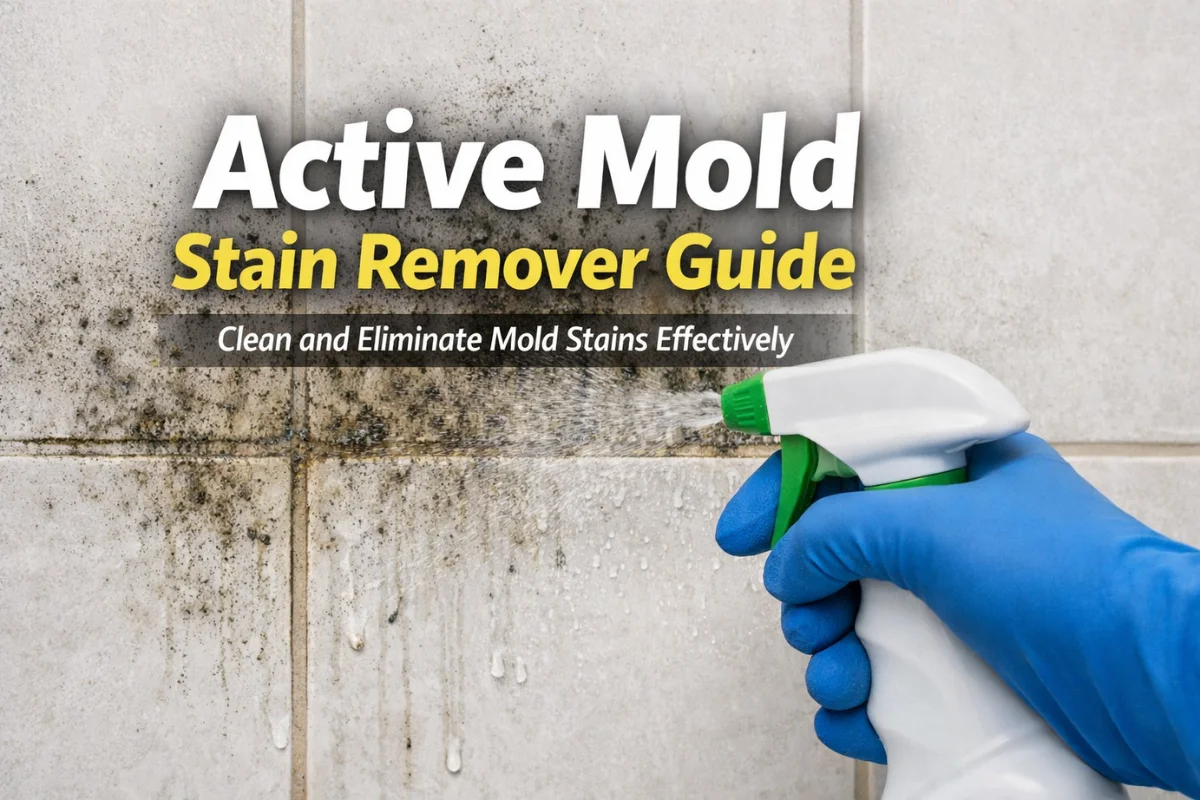
An active mold stain remover guide provides a comprehensive framework for identifying, treating, and preventing the persistent discoloration left behind by fungal growth. This resource covers the chemical composition of effective cleaners, application techniques for various surfaces, and safety protocols necessary to restore aesthetic appeal and structural integrity to a property.
Understanding the Nature of Mold Stains
Mold is more than a surface-level nuisance; it is a biological organism that feeds on organic matter. While the living colony can be neutralized with fungicides, the “stain” is often a separate challenge. Mold stains are typically the result of melanin and other pigments produced by the fungi as they digest materials like drywall, wood, or grout. These pigments can penetrate deeply into porous substrates, making simple wiping ineffective.
An active mold stain remover is specifically formulated to break these chemical bonds. Unlike a general disinfectant, which focuses on killing the spores, a stain remover focuses on oxidation or enzymatic action to lift the pigment from the fibers or pores of the material.
The Difference Between Killing Mold and Removing Stains
It is a common misconception that a surface is “clean” once the mold is dead. Dead mold spores can still contain allergens and toxins, and the visible staining remains an aesthetic blight.
-
Remediation: The process of killing and removing the mold growth.
-
Stain Removal: The cosmetic process of lightening or eliminating the dark spots left behind.
-
Active Ingredients: Components like sodium hypochlorite, hydrogen peroxide, or surfactants that react with the stain at a molecular level.
Identifying Effective Ingredients in an Active Mold Stain Remover
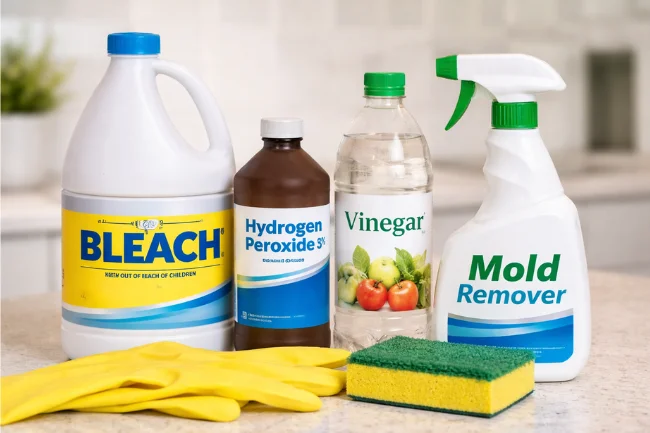
When selecting a product, the chemistry matters. Different surfaces react differently to various active agents. Understanding these ingredients helps in choosing the right tool for the job without damaging the underlying material.
Sodium Hypochlorite (Bleach-Based) Chemicals
Sodium hypochlorite is the most common ingredient found in a heavy-duty active mold stain remover. It is a powerful oxidizing agent that works rapidly on non-porous surfaces like tile, glass, and sealed grout. It chemically alters the mold pigment, rendering it colorless almost instantly. However, it can be corrosive and may weaken certain fibers or strip color from fabrics and carpets.
Hydrogen Peroxide and Oxygen-Based Solutions
As a more eco-friendly alternative to bleach, hydrogen peroxide acts as a bubbling oxidizer. It is highly effective at lifting stains from porous surfaces because the foaming action helps pull debris to the surface. It is generally safer for the lungs and skin than chlorine-based products but requires a longer contact time to be effective against deep-seated stains.
Surfactants and Penetrating Agents in Mold Removal
Many professional-grade cleaners include specialized surfactants. These “wetting agents” reduce the surface tension of the liquid, allowing the solution to seep into microscopic cracks where mold pigments hide. Without surfactants, a cleaner might simply sit on top of a stain rather than treating it at the source.
Surface-Specific Strategies for an Active Mold Stain Remover Guide
Not all surfaces are created equal. A strategy that works for a bathroom tile could permanently ruin a wooden attic beam or a piece of drywall. This active mold stain remover guide categorizes surfaces into two main types:
Non-Porous Surfaces: Tile, Grout, and Plastics
Bathrooms and kitchens are prime locations for mold due to high humidity. On these surfaces, active stain removers can be applied liberally.
-
Preparation: Scrub the area with soapy water to remove surface biofilm.
-
Application: Spray the active remover and allow it to sit for the manufacturer’s recommended time (usually 5-10 minutes).
-
Agitation: Use a stiff-bristled brush for grout lines.
-
Rinse: Thoroughly wash the area with clean water to prevent chemical residue.
Porous Surfaces: Applying an Active Mold Stain Remover to Wood and Drywall
Treating wood and drywall requires a delicate balance. If these materials become too saturated, you risk structural rot or further mold growth.
-
Drywall: If mold has penetrated the paper backing of drywall, the material usually must be replaced. If the stain is superficial, a peroxide-based cleaner is preferred over bleach.
-
Wood: For structural timber, removers often use a “foaming” technology to minimize deep moisture penetration while maximizing surface contact.
Comparison of Common Mold Stain Removal Agents
Safety Protocols for an Active Mold Stain Remover Guide
Working with mold and the chemicals required to remove it involves inherent risks. This active mold stain remover guide prioritizes safety to prevent respiratory issues.
Personal Protective Equipment (PPE) for Mold Cleaning
Before beginning any project, ensure you have the following:
-
N-95 or P-100 Respirator: To prevent the inhalation of spores and chemical mists.
-
Gloves: Nitrile or rubber gloves protect the skin from caustic chemicals.
-
Goggles: Unvented goggles prevent spores or splashes from entering the eyes.
-
Coveralls: For large-scale projects, disposable suits prevent spores from hitchhiking on your clothing.
Ventilation and Containment During Stain Removal
Always work in a well-ventilated area. If you are cleaning a small bathroom, use the exhaust fan and open any available windows. For larger projects, professionals use “negative air pressure” machines to ensure that contaminated air is exhausted outside.
Step-by-Step Active Mold Stain Remover Guide Workflow
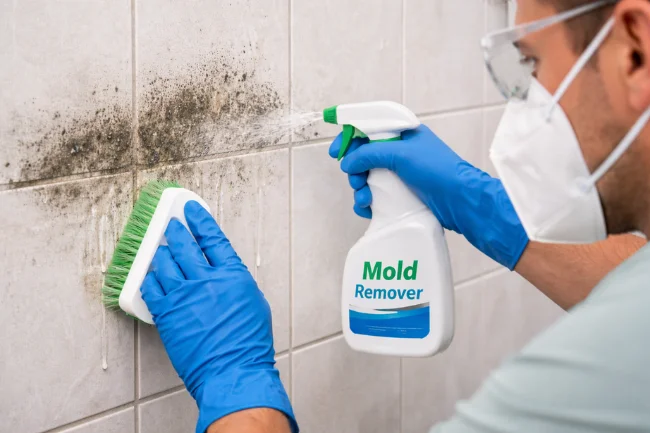
To achieve professional-level results, follow a structured workflow. This ensures that the mold is not only visually gone but that the environment remains healthy.
Step 1: Moisture Identification Before Stain Treatment
Mold cannot grow without water. Before reaching for a stain remover, identify the source of the moisture. If the moisture issue isn’t fixed, the stain will return within days.
Step 2: Dry Vacuuming (HEPA) to Clear Spores
Use a vacuum equipped with a HEPA filter to remove loose, dry mold spores from the surface. Do not use a standard shop vacuum, as these often exhaust small spores back into the room.
Step 3: Chemical Application of an Active Mold Stain Remover
Apply your chosen active mold stain remover. Avoid over-spraying; a light, even coat is more effective than saturating the material. Let the chemistry do the work. If the instructions say to wait ten minutes, do not scrub prematurely.
Step 4: Mechanical Agitation of Stubborn Mold Pigments
For stubborn stains, light scrubbing helps the chemical reach the deepest layers of the pigment. Use a soft brush for delicate surfaces and a wire brush only for unfinished wood or masonry.
Step 5: Encapsulation (Optional) Post-Stain Removal
In some cases, particularly in crawlspaces or attics, a stain may be permanent even if the mold is dead. In these instances, after cleaning, professionals use an “encapsulant”—a specialized antimicrobial paint that seals the remaining pigment.
Common Mistakes to Avoid When Using an Active Mold Stain Remover
-
Mixing Chemicals: Never mix bleach-based mold removers with ammonia-based cleaners or vinegar. This creates toxic chloramine or chlorine gas.
-
Painting Over Stains: Simply painting over a mold stain is a temporary fix. The mold can grow through the paint, or the moisture trapped behind the paint can cause the drywall to crumble.
-
Ignoring the “Root”: Mold has root-like structures called hyphae. If you only treat the surface stain, the hyphae remain alive inside the material.
Professional Consultation and the Active Mold Stain Remover Guide
While this active mold stain remover guide provides the steps for DIY projects, certain situations require professional intervention.
-
Size of the Area: The EPA suggests that any mold growth covering more than 10 square feet (roughly a 3×3 foot patch) should be handled by a specialist.
-
HVAC Contamination: If you suspect mold is inside your heating and cooling ducts, do not attempt to clean it yourself.
-
Health Concerns: If residents of the home suffer from asthma or allergies, the risk of airborne spores during cleaning is too high for a DIY approach.
Preventing the Return of Mold and Mildew Stains
Once the stains are removed, the goal shifts to prevention. Mold prevention is almost entirely a matter of moisture control.
-
Humidity Control: Maintain indoor relative humidity between 30% and 50%. Use dehumidifiers in basements.
-
Airflow: Ensure that furniture is not pushed directly against exterior walls, which can create cold spots where condensation forms.
-
Immediate Drying: If a spill or leak occurs, dry the area completely within 24 to 48 hours.
Frequently Asked Questions
1- Can I use bleach to remove mold from wood?
Bleach is generally not recommended for porous wood. The chemical structure of bleach prevents it from penetrating deep into the wood fibers, meaning it only cleans the surface while the water in the bleach soaks in, potentially encouraging deeper mold growth. Use a peroxide-based product as part of your active mold stain remover guide strategy instead.
2- Is the “active” ingredient in mold removers toxic?
Most active ingredients, such as sodium hypochlorite or hydrogen peroxide, can be irritants. When used according to label instructions with proper ventilation and PPE, they are safe for home use. Always keep pets and children away from the area until the treated surface is dry.
3- How long does it take for mold stains to disappear?
Depending on the severity and the product used, stains can vanish in as little as 30 seconds (with high-concentration bleach products) or may require several applications over 24 hours (with botanical or enzymatic cleaners). Deep stains in grout may require mechanical scrubbing to fully clear.
4- Will vinegar kill mold as well as a chemical remover?
Vinegar is effective at killing approximately 82% of mold species. While it is an excellent “green” alternative for killing the organism, it is not as effective as oxidizing agents at removing the dark, visible stains left behind. For purely cosmetic restoration, a chemical remover is often necessary.
5- Do I need to rinse the area after using an active mold stain remover?
Yes, most products leave behind chemical salts or residues that can attract moisture or irritate skin. Always wipe the area down with a damp cloth or rinse with clean water once the stain has been lifted and the recommended contact time has passed.
Summary of Best Practices
Successfully managing mold stains requires a two-pronged approach: chemical intervention and environmental management. By choosing the correct active agent—be it a potent oxidizer for tile or a penetrating surfactant for wood—and adhering to strict safety standards, you can restore your home’s surfaces effectively. Remember that the “clean” look is secondary to the “dry” reality; without addressing the moisture source, no amount of stain remover will provide a permanent solution.
For broader information, visit Wellbeing Makeover

I’m Salman Khayam, the founder and editor of this blog, with 10 years of professional experience in Architecture, Interior Design, Home Improvement, and Real Estate. I provide expert advice and practical tips on a wide range of topics, including Solar Panel installation, Garage Solutions, Moving tips, as well as Cleaning and Pest Control, helping you create functional, stylish, and sustainable spaces that enhance your daily life.