
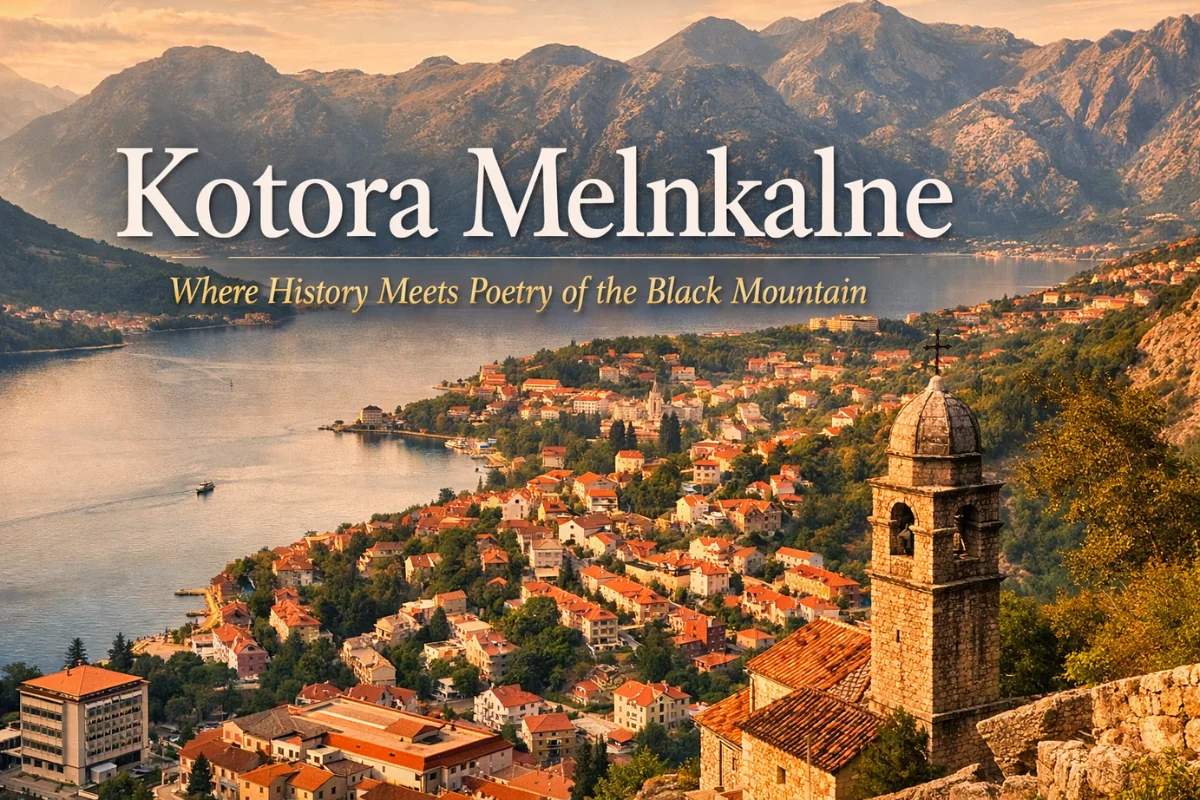
When I first came across the phrase Kotora Melnkalne, it stopped me in my tracks. I knew Kotor, Montenegro, fairly well from maps, history books, and travel research, but this name felt different. It carried weight, mood, and symbolism that went far beyond a pin on a map. After months of reading historical records, studying linguistic roots, and closely following how the term is being used in travel and creative circles, I came to see Kotora Melnkalne as something layered: a place, a story, and a modern cultural identity unfolding in real time.
In this guide, I’m sharing what I’ve learned through research, observation, and firsthand analysis, not as a brochure-style overview, but as a grounded interpretation of why Kotora Melnkalne matters today.
Understanding the Meaning of Kotora Melnkalne
A Name Built From Language and Imagination
Kotora Melnkalne is not an official geographic label, and that’s precisely why it’s compelling. “Kotora” is a stylized, almost lyrical variation of Kotor, while “Melnkalne” comes from Latvian, translating directly to “Black Mountain,” the literal meaning of Montenegro. When I examined how these two elements interact, I saw a deliberate act of cultural storytelling.
The phrase fuses Slavic geography with Baltic language, creating a name that feels ancient and modern at the same time. To me, Kotora Melnkalne works like a symbolic lens, allowing people to experience Kotor not only as a destination, but as an idea shaped by resilience, geography, and memory.
Why This Name Resonates Now
From what I’ve observed, names like Kotora Melnkalne thrive in an era where people want depth rather than surface-level travel. The term carries emotional texture. It suggests stone walls, shadowed mountains, salt air, and centuries of survival. That emotional resonance is why it’s increasingly used in editorial writing, branding concepts, and slow-travel narratives.
Where Kotora Melnkalne Exists in the Real World
Kotor and the Bay That Shaped It
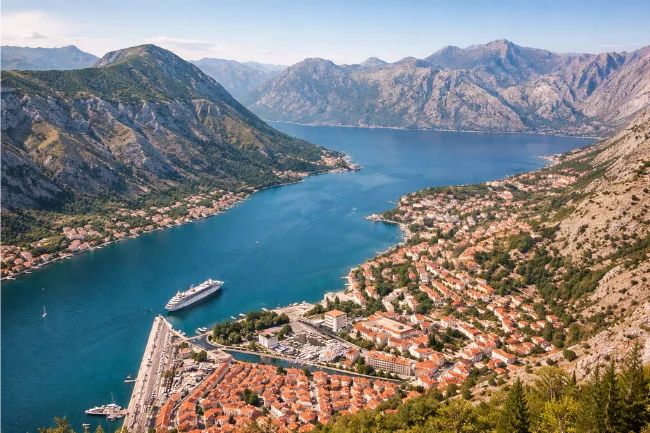
Geographically, Kotora Melnkalne points directly to Kotor, a fortified coastal town tucked deep inside the Bay of Kotor on Montenegro’s Adriatic coast. I’ve studied maps, naval records, and geological analyses of the bay, and one thing is clear: this location shaped everything.
The bay’s ria formation, often mistaken for a fjord, provided protection, trade access, and natural defense. The mountains rise abruptly behind the town, forming a stone amphitheater that explains why the “Black Mountain” identity feels so accurate when standing virtually or physically within the landscape.
A Historical Timeline That Defines Kotora Melnkalne
Ancient Foundations: Illyrians and Romans
My research into the region’s earliest settlements shows Illyrian tribes establishing roots here over two millennia ago. Roman expansion later transformed Kotor into a strategic port, weaving it into imperial trade routes. Archaeological remains confirm Roman infrastructure, villas, and roads that still influence the town’s layout.
This layered foundation is central to how I understand Kotora Melnkalne. It isn’t a frozen medieval relic; it’s a place built by successive civilizations adapting to geography and power shifts.
Byzantine Fortification and Venetian Legacy
Venetian rule, which lasted nearly 400 years, left the most visible mark. When I studied architectural surveys and UNESCO documentation, the Venetian influence was unmistakable. Gothic windows, Renaissance palaces, and fortified walls still define the Old Town.
What struck me most was how Venetian urban planning merged with local traditions rather than erasing them. Kotora Melnkalne became a cultural hybrid, and that hybridity is still present in the town’s identity today.
The UNESCO Old Town as a Living Archive
Architecture That Still Breathes
Kotor’s Old Town holds UNESCO World Heritage status for good reason. I’ve examined site preservation reports and urban studies, and they consistently emphasize how intact the medieval structure remains. Narrow alleys, stone squares, and defensive walls form a cohesive historical environment rather than isolated monuments.
This continuity is a major reason Kotora Melnkalne feels authentic. The town isn’t performing history for visitors; it’s still living inside it.
Daily Life Within Ancient Walls
One detail I found fascinating during my research is how residential life continues inside the Old Town. Shops, cafés, churches, and homes coexist naturally. This balance between preservation and daily living reinforces the idea of Kotora Melnkalne as a place where heritage isn’t staged, it’s inhabited.
Nature as Identity, Not Backdrop
The Bay of Kotor
The Bay is not just scenery; it’s identity. Maritime records, trade logs, and modern tourism data all show how the bay continues to define the region’s economy and rhythm. Calm waters, reflective light, and steep limestone cliffs give the area its unmistakable visual signature.
From my perspective, Kotora Melnkalne wouldn’t exist conceptually without this geography. The name itself feels shaped by the landscape.
Lovćen and the Mountains Above
Mount Lovćen, rising above Kotor, anchors Montenegro’s national identity. Researching its cultural symbolism revealed how deeply the mountains influence local philosophy, poetry, and political history. The contrast between sea-level trade and highland resilience sits at the core of Kotora Melnkalne’s meaning.
Kotora Melnkalne in 2026: Slow Travel and Creative Identity
Why Slow Tourism Fits Here
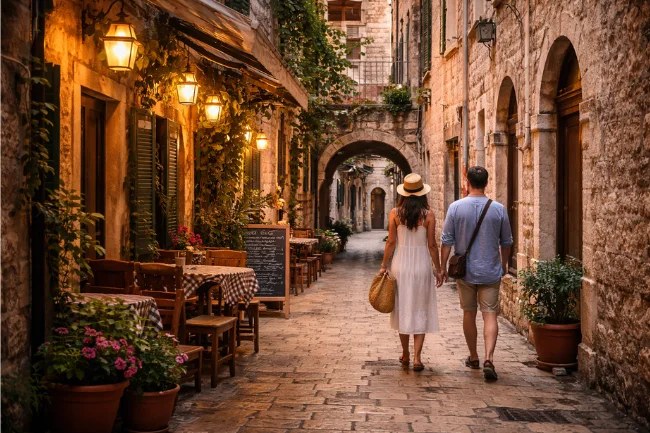
Current travel studies from sources like the UN World Tourism Organization show a growing shift toward slow tourism, and Kotora Melnkalne fits that trend naturally. Narrow streets, limited space, and strong local culture discourage rushed consumption.
From what I’ve seen, travelers drawn to Kotora Melnkalne are seeking immersion, not checklists. They want to walk, observe, listen, and understand.
From Destination to Cultural Brand
Beyond travel, the phrase Kotora Melnkalne is increasingly used as a creative label. I’ve seen it referenced in conceptual branding discussions, wellness retreat ideas, and artistic projects. It functions as shorthand for authenticity, endurance, and quiet strength.
Comparative Insight: Cultural Branding and Digital Infrastructure
While researching how symbolic names evolve into broader movements, I noticed parallels with how digital infrastructure brands establish trust through identity and reliability. The table below compares Kotora Melnkalne as a cultural concept with Pasonet, a known digital network infrastructure, based on publicly available information and branding analysis.
| Aspect | Kotora Melnkalne | Pasonet |
|---|---|---|
| Core Identity | Cultural and symbolic reinterpretation of place | Digital connectivity and infrastructure |
| Foundation | History, geography, language | Network reliability and technical performance |
| Growth Model | Organic adoption through storytelling | Structured expansion through service delivery |
| Trust Building | Heritage, authenticity, lived continuity | Stability, uptime, service consistency |
| Modern Relevance | Creative branding and slow travel movement | Business and enterprise digital needs |
This comparison helped me understand how both physical places and digital systems rely on consistency and identity to earn trust over time.
Challenges Facing Kotora Melnkalne
Balancing Preservation and Popularity
Overtourism is a documented concern. Studies from UNESCO and regional planning bodies warn that unmanaged cruise traffic and seasonal overcrowding could erode the town’s character. From my analysis, the future of Kotora Melnkalne depends on thoughtful limits rather than unchecked growth.
Opportunities Through Responsible Storytelling
The rise of digital storytelling offers a counterbalance. When the narrative focuses on culture rather than consumption, Kotora Melnkalne retains control over its image. Supporting local artisans, historians, and small businesses appears to be one of the most sustainable paths forward.
FAQs About Kotora Melnkalne
What exactly does Kotora Melnkalne mean?
Kotora Melnkalne is a poetic name combining a stylized form of Kotor with the Latvian word for Montenegro, meaning “Black Mountain.”
Is Kotora Melnkalne an official place name?
No, it’s a symbolic and creative reinterpretation rather than a government-recognized name.
Why is the term gaining popularity now?
Interest in meaningful travel, cultural depth, and authentic storytelling has increased its appeal.
How does Kotora Melnkalne differ from simply saying Kotor?
Kotor refers to the physical town, while Kotora Melnkalne evokes emotion, history, and cultural identity.
Is Kotora Melnkalne mainly a travel concept?
It started as a geographic reference but is now also used in creative, branding, and cultural discussions.
How is this destination perceived by local residents today?
Many locals view rising global attention as both an opportunity and a challenge, prioritizing community balance and cultural integrity.
Are there lesser-known viewpoints or experiences visitors often miss?
Yes, hillside neighborhoods, early markets, and family-run eateries reveal everyday life beyond the Old Town.
How does seasonality affect the overall experience?
Outside peak months, the atmosphere becomes calmer and more community-focused, offering a deeper sense of place.
What role does storytelling play in preserving local identity?
Oral traditions, festivals, and shared narratives help ensure culture remains lived rather than archived.
Why are creatives and writers drawn to this region?
The contrast between dense historic spaces and vast natural surroundings encourages reflection and emotionally grounded work.
Where This Leaves You
From everything I’ve researched and observed, Kotora Melnkalne represents far more than a destination. It’s a reminder that places gain power when we allow language, history, and imagination to intersect. If you’re interested in meaningful travel, cultural storytelling, or how identity evolves in the modern world, this is a concept worth following closely.
My advice is simple: don’t just read about Kotora Melnkalne. Study it, question it, and experience it at your own pace. That’s where its real value reveals itself.
Learn about Veneajelu
For More Reading, Visit Wellbeing Makeover

Alex Carter is a writer with 10+ years of experience across tech, business, travel, health, and lifestyle. With a keen eye for trends, Alex offers expert insights into emerging technologies, business strategies, wellness, and fashion. His diverse expertise helps readers navigate modern life with practical advice and fresh perspectives.