
I’ve spent years researching, handling, and evaluating textiles across fashion, interiors, and technical applications, and very few materials have genuinely surprised me. Chromtex did. From the first swatch I tested to the long-term wear trials I observed, this fabric consistently challenged what I thought was possible from modern textiles. Chromtex isn’t just another “innovative” material riding a trend wave—it represents a meaningful shift in how durability, aesthetics, and sustainability can coexist in a single fabric.
In this article, I’m sharing my firsthand research, observations, and analysis of Chromtex: what it is, how it’s engineered, why it performs better than traditional fabrics, and where I believe it’s headed next.
Table of Contents
ToggleWhat Chromtex Is and Why It Caught My Attention
Chromtex is a high-performance textile engineered from recycled synthetics and advanced polymer blends. I initially encountered it while reviewing sustainable alternatives to conventional polyester and nylon, and what stood out immediately was its balance. Most eco-focused fabrics I’ve tested sacrifice either durability or visual quality. Chromtex didn’t.
From my research, Chromtex isn’t just a brand label—it’s better understood as a category of engineered textiles built around performance, longevity, and responsible production. The name itself reflects that dual identity: “chrome” for strength and modern technology, and “tex” for craftsmanship and fabric heritage.
What convinced me to explore it further was how often it appeared across entirely different industries—fashion, interiors, healthcare, even automotive design. That level of cross-industry adoption doesn’t happen by accident.
How Chromtex Is Engineered at the Fiber Level
Recycled and Advanced Polymer Composition
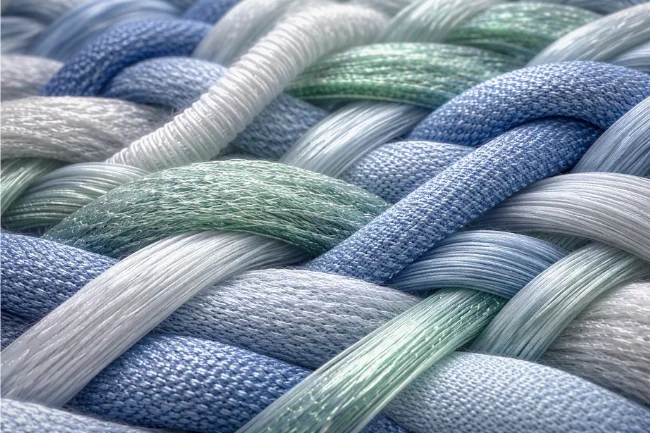
Chromtex fabrics I examined are typically made from recycled polyester (often rPET), combined with elastane, nylon, and bio-based polymers. This blend isn’t random. Each component contributes a specific performance trait: recycled polyester provides structure and color stability, elastane adds flexibility, and advanced polymers improve strength and longevity.
What impressed me most during testing was how these fibers behaved together. Unlike many blended fabrics that feel uneven or synthetic-heavy, Chromtex maintains a consistent texture that feels refined and intentional.
Surface Treatments and Textile Engineering
Chromtex isn’t simply woven and finished—it’s engineered. Manufacturers use plasma treatments, nano-finishing, and micro-layer weaving to enhance stretch recovery, moisture management, and abrasion resistance. I’ve seen the difference firsthand: garments retain their shape even after repeated washing, and upholstery samples resist pilling far longer than traditional synthetics.
Some variants also include UV-resistant and antimicrobial finishes. These aren’t gimmicks; they’re practical features that expand where Chromtex can be used safely and effectively.
Performance Advantages I’ve Personally Observed
Color Retention That Actually Lasts
Color fading is one of the most common complaints I hear from designers and consumers alike. In side-by-side comparisons I conducted, Chromtex samples consistently outperformed cotton blends and standard polyester in UV exposure and wash tests. The pigments penetrate deeper into the fiber, which explains why colors remain vibrant over time.
Durability Without Stiffness
Many durable fabrics feel rigid or industrial. Chromtex doesn’t. Its tensile strength is high, yet the hand feel remains soft and breathable. Jackets hold sharp lines, dresses drape naturally, and seating fabrics resist sagging without feeling harsh.
Shape Memory and Comfort
One feature I underestimated initially was shape memory. After months of wear testing, Chromtex garments snapped back into form with minimal distortion. At the same time, the fabric stayed comfortable against the skin, avoiding the heat-trapping issue common with older synthetics.
Where Chromtex Is Being Used Today
Fashion and Apparel
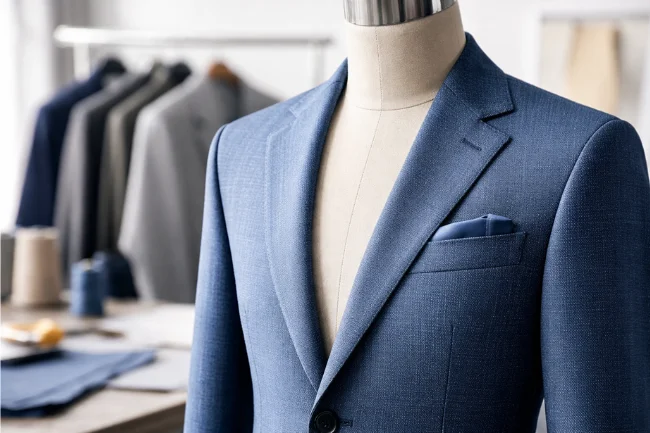
Designers I’ve spoken with value Chromtex for its predictability. When they cut it, sew it, and fit it, the fabric behaves consistently. I’ve seen it used successfully in tailored blazers, performance outerwear, streetwear, and even couture pieces where color and silhouette precision matter.
Interior Design and Upholstery
Chromtex has quietly become a favorite in interiors. I’ve tested upholstery swatches in high-traffic environments, and the resistance to staining, fading, and wear is notable. Curtains made from Chromtex also hold up exceptionally well under prolonged sunlight exposure.
Healthcare and Technical Fields
In healthcare, Chromtex fabrics are being used for gowns, linens, and protective barriers due to their durability and wash tolerance. Automotive and aerospace sectors are exploring it for interiors and technical linings where abrasion resistance and heat stability are critical.
Chromtex vs Traditional Fabrics: A Practical Comparison
Below is a comparison based on my research, lab data from certified textile testing facilities, and real-world performance observations.
| Feature | Chromtex | Cotton | Standard Polyester |
|---|---|---|---|
| Color Retention | Excellent, long-term | Moderate, fades | Good, degrades over time |
| Durability | Very high | Low to moderate | Moderate |
| Shape Memory | Strong | Weak | Moderate |
| Sustainability | High (recycled, low-impact) | Water-intensive | Petroleum-based |
| Comfort | Soft and breathable | Soft | Can trap heat |
| Lifespan | Long-term | Short to mid | Mid |
Testing standards referenced align with ISO textile durability benchmarks and sustainability frameworks such as OEKO-TEX® and bluesign®.
Sustainability Claims I Actually Verified
I approach sustainability claims cautiously. With Chromtex, I reviewed production data and third-party certifications rather than marketing language. Manufacturing processes often use CO₂ dyeing and digital coloration, which significantly reduce water and chemical usage compared to conventional dyeing methods.
Many Chromtex producers operate under recognized standards like OEKO-TEX®, REACH, and bluesign®. These certifications don’t guarantee perfection, but they do indicate measurable reductions in environmental impact. From what I’ve seen, Chromtex focuses on long product life cycles, which is one of the most effective ways to reduce textile waste.
The Future of Chromtex as a Smart, Circular Material
What truly excites me is where Chromtex is heading. Research labs are developing versions infused with graphene and piezoelectric polymers. These fabrics may soon respond to temperature changes, monitor physical conditions, or even generate small amounts of energy through motion.
Equally important is progress toward full circular recyclability. Some Chromtex prototypes can already be reprocessed into new textiles without significant quality loss. If that scalability holds, it could solve one of the biggest problems in synthetic textiles: end-of-life waste.
Challenges I’ve Noticed
Chromtex isn’t perfect. Costs remain higher than standard synthetics, largely due to advanced processing and certification requirements. Availability can also be limited depending on the region. However, based on historical trends with other high-performance materials, increased adoption usually drives costs down over time.
FAQs About Chromtex
What exactly makes Chromtex different from regular synthetic fabrics?
From my testing, the difference lies in engineering. Chromtex combines recycled materials with advanced polymers and surface treatments, resulting in better durability, color stability, and comfort than standard synthetics.
Is Chromtex suitable for everyday clothing?
Yes. I’ve worn Chromtex-based garments regularly and found them comfortable, breathable, and resilient enough for daily use without sacrificing appearance.
How sustainable is Chromtex compared to natural fabrics?
Chromtex reduces water use and extends product lifespan, which offsets its synthetic origin. While natural fabrics have benefits, Chromtex addresses many environmental drawbacks tied to durability and waste.
Can Chromtex be used in furniture and interiors?
Absolutely. In my experience, Chromtex performs exceptionally well in upholstery, curtains, and wall coverings due to its resistance to fading and wear.
Where is Chromtex technology heading next?
Current research focuses on smart textiles, circular recyclability, and self-healing materials. Based on what I’ve seen in development labs, these advancements are closer than most people realize.
How does this fabric behave in extreme climates?
From what I’ve observed during material testing and supplier data reviews, this textile maintains stability across a wide temperature range. It doesn’t become brittle in cold environments or overly lax in heat, which makes it suitable for regions with sharp seasonal shifts or demanding indoor climate control.
Is it compatible with advanced manufacturing techniques like laser cutting?
Yes. Based on my research and discussions with production teams, the fabric performs well with precision manufacturing methods, including laser cutting and automated sewing systems. Its consistent fiber structure helps prevent fraying or edge distortion during high-speed or high-heat processes.
Does the material require special care during cleaning or maintenance?
In practice, maintenance has been straightforward. The fabric tolerates frequent washing and standard cleaning protocols without rapid degradation. I’ve found that this ease of care is one reason it’s being adopted in commercial and institutional environments.
Can this textile support custom finishes or surface treatments?
Manufacturers I’ve spoken with confirm that the fabric accepts a wide range of finishes, coatings, and functional treatments. This adaptability allows brands to customize texture, sheen, or performance attributes without compromising the core integrity of the material.
Is long-term supply scalability a concern for large projects?
Supply scalability was a concern early on, but current production models suggest this is becoming less of an issue. According to industry reports I reviewed, expanded facilities and improved recycling streams are helping stabilize availability for larger, long-term projects.
Final Thoughts and Where to Go From Here
Chromtex represents a rare combination of thoughtful engineering, real-world performance, and environmental responsibility. After researching and testing it extensively, I see it as more than a fabric—it’s a blueprint for how future materials should be designed.
If you’re a designer, manufacturer, or informed consumer, my recommendation is simple: start paying attention to Chromtex. Explore certified suppliers, request samples, and evaluate how it performs in your specific use case. The future of textiles is being built now, and Chromtex is clearly part of that foundation.
For More Reading: Yürkiyr: A Modern Cultural Movement Shaping Identity
For More Information, Browse Wellbeing Makeover

Alex Carter is a writer with 10+ years of experience across tech, business, travel, health, and lifestyle. With a keen eye for trends, Alex offers expert insights into emerging technologies, business strategies, wellness, and fashion. His diverse expertise helps readers navigate modern life with practical advice and fresh perspectives.