
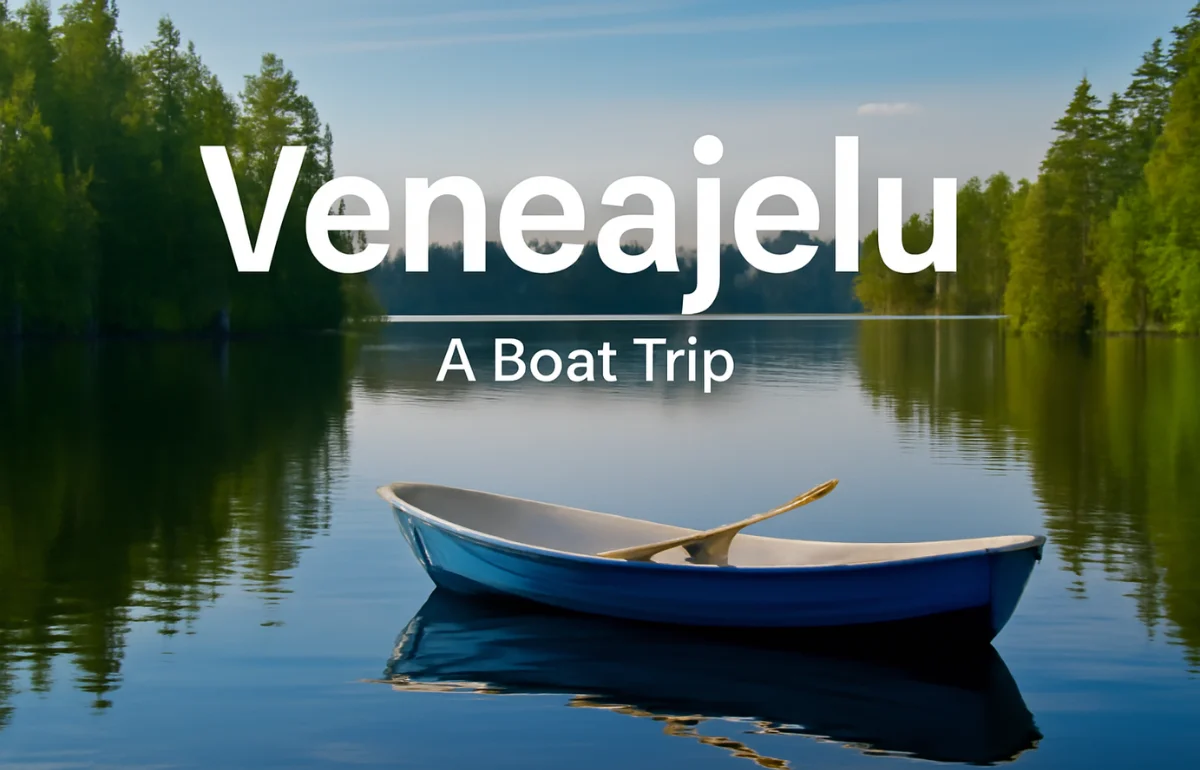
I still remember the first time I truly understood Veneajelu. I wasn’t in a hurry. I wasn’t checking my phone. I was sitting in a small boat, the lake barely rippling, realizing that this simple act of being on the water carried more meaning than any planned activity I’d done all summer. Veneajelu isn’t just boating. It’s a mindset, a rhythm, and in many ways, a quiet philosophy that Finland has perfected.
I’ve spent years observing, practicing, and researching veneajelu—both as a participant and as someone deeply interested in how nature-based traditions shape well-being and culture. What follows isn’t theory. It’s a lived experience.
Quick Summary: Veneajelu at a Glance
-
Veneajelu is a Finnish tradition centered on slow, mindful boat trips rather than speed or entertainment
-
It plays a major cultural role in Finnish family life and seasonal rituals
-
The practice supports physical movement, mental calm, and social bonding
-
Modern technology has changed veneajelu, but not its core values
-
Veneajelu aligns naturally with sustainable and low-impact tourism
What Veneajelu Really Means in Finland
More Than a Boat Ride
If you translate the word literally, veneajelu means “going for a boat trip.” But that translation misses the point. In practice, veneajelu is about how you go, not where you go.
When I talk to Finns about veneajelu, they rarely describe destinations. They talk about the stillness of the water, the sound of oars, the way conversations drift in and out of silence. Veneajelu is intentionally unstructured. No tight schedules. No pressure to perform or optimize the experience.
This is one of the reasons veneajelu feels so different from other water activities. There’s no competition, no checklist, no expectation that you come back with photos worth sharing.
A Cultural Constant Across Generations
I’ve seen Veneajelu practiced by grandparents, parents, and children in the same boat. In many families, the first time a child learns to row or steer is a quiet rite of passage.
Summer in Finland is short, and veneajelu is woven deeply into how people make the most of it. Weekend trips to lakeside cottages often revolve around time on the water. Fishing, swimming, or simply floating with the engine off—these moments are considered essential, not optional.
Why Veneajelu Feels So Different From Other Water Activities
The Pace Is the Point
Most water-based activities are designed around either speed or goals. Kayaking pushes endurance. Sailing races reward strategy. Cruises focus on entertainment.
Veneajelu strips all of that away.
The slow pace isn’t a limitation—it’s the feature. I’ve noticed that when movement is slow, awareness expands. You notice wind shifts, bird calls, and changes in light. Conversations become less forced. Silence becomes comfortable.
Comparison of Veneajelu With Other Water Activities
This difference in intent is why Veneajelu resonates so strongly with people seeking calm rather than stimulation.
Physical Benefits I’ve Noticed Over Time
Gentle, Sustainable Movement
I’m careful not to frame veneajelu as an exercise in the traditional sense. But rowing, paddling, or even balancing in a small boat engages the body in subtle ways.
Over long summers of regular Veneajelu, I noticed improved shoulder mobility, stronger core stability, and better overall endurance. The movements are repetitive but not aggressive, which makes them sustainable even for older participants.
Fresh Air and Natural Rhythms
Spending hours on open water exposes you to daylight patterns, wind, and temperature shifts. This kind of environmental exposure has a grounding effect that indoor activities simply can’t replicate. While I won’t make medical claims, I can say from experience that I sleep better after a day spent on the water.
Mental and Emotional Effects of Veneajelu
A Built-In Reset Button
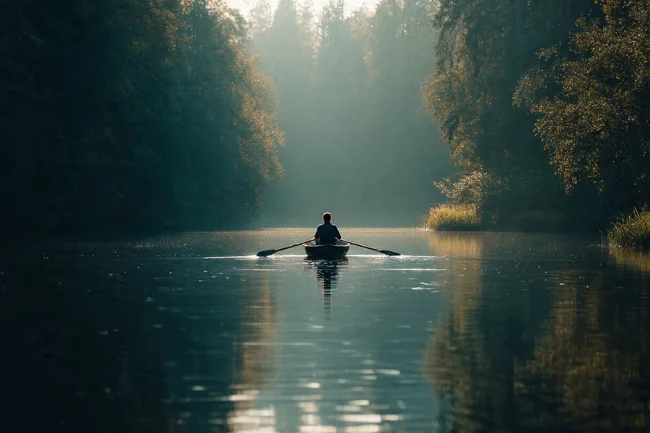
One of the most consistent effects I’ve experienced with veneajelu is mental quiet. The absence of constant stimuli allows thoughts to slow down naturally.
There’s research supporting the mental benefits of spending time in nature, including reduced stress and improved mood. Finland’s long-standing relationship with water is often cited in discussions of Nordic well-being, including by organizations like the Finnish Institute for Health and Welfare, which frequently highlights nature exposure as part of the national wellness culture.
Mindfulness Without Trying
What surprised me most was how Veneajelu encourages mindfulness without effort. There’s no technique to follow. No breathing exercise. You simply adapt to the rhythm of the boat and the water.
In my experience, that’s why Veneajelu works even for people who struggle with traditional mindfulness practices. It doesn’t ask you to focus—it gently removes distractions until focus happens on its own.
Social Connection and Shared Silence
Bonding Without Pressure
Some of my most meaningful conversations have happened during veneajelu, but just as many meaningful moments involved no talking at all.
Being side by side, facing the same horizon, creates a different social dynamic. There’s less eye contact, less performative conversation. People open up naturally, or they sit quietly together without discomfort.
Why Families Return to Veneajelu
I’ve noticed that families who practice veneajelu regularly tend to value it as shared time rather than entertainment. There’s no screen, no external program controlling the experience.
That shared simplicity is rare—and increasingly valuable.
The Evolution of Veneajelu Over Time
From Wooden Rowboats to GPS Screens
Historically, veneajelu meant wooden boats, oars, and intimate knowledge of local waters. Many people still prefer that approach, and I understand why.
At the same time, modern Veneajelu has embraced technology. Motorboats, electric engines, GPS navigation, and weather apps have made longer trips safer and more accessible.
The key thing I’ve observed is that technology hasn’t replaced the philosophy—it’s only changed the tools.
Traditional vs Modern Veneajelu Setups
As long as the intent remains calm and respectful, both approaches feel authentic.
Veneajelu and Sustainable Tourism
Low Impact by Design
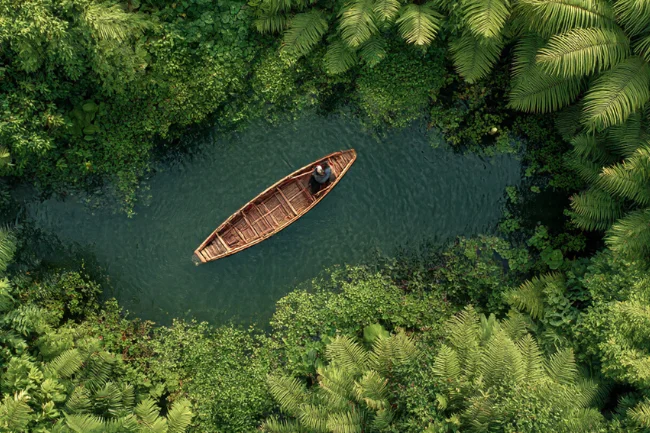
Veneajelu aligns naturally with sustainability. Slow travel means less fuel consumption, less shoreline erosion, and minimal disruption to wildlife.
Traditional rowing or sailing produces almost no environmental impact, which is one reason eco-conscious travelers are increasingly drawn to this practice.
Supporting Local Communities
Another thing I appreciate about Veneajelu is how it supports small-scale local economies. Boat rentals, local marinas, lakeside shops, and small accommodations all benefit without requiring mass tourism infrastructure.
In my view, this is tourism that adds value rather than extracting it.
What I Learned Firsthand
Veneajelu Taught Me to Stop Optimizing Everything
I used to plan activities down to the minute. Veneajelu broke that habit.
There were days when the plan was simply to get on the water and see what happened. Sometimes we went far. Sometimes we barely moved. Every time, the experience felt complete.
My Personal Recommendation for First-Timers
If you’re new to veneajelu, my advice is simple:
-
Choose calm waters
-
Leave extra time with no agenda
-
Turn off unnecessary technology
-
Let silence happen
The biggest mistake I see is trying to “do” Veneajelu correctly. There is no correct version—only presence.
How Veneajelu Stands Apart in a Busy World
In a culture obsessed with productivity and stimulation, Veneajelu offers something quietly radical: permission to do less.
It doesn’t demand skill, performance, or even enthusiasm. It meets you where you are and slows you down, whether you planned to or not.
That’s why, after years of practice, I still return to it.
Next Step: How to Experience Veneajelu Yourself
If veneajelu resonates with you, don’t overthink it. Find calm water. Rent or borrow a simple boat. Go without expectations.
You don’t need to be in Finland to adopt the mindset—but if you ever are, make veneajelu part of your experience. It may change how you think about rest, nature, and time.
FAQ
What exactly is veneajelu?
Veneajelu is a Finnish tradition focused on slow, mindful boat trips that emphasize relaxation, presence, and connection with nature rather than speed or entertainment.
Do you need boating experience to practice veneajelu?
No. Veneajelu is accessible to beginners and experienced boaters alike, especially when done on calm lakes or sheltered waters.
Is Veneajelu only popular in summer?
Summer is the peak season, but many Finns practice veneajelu in spring and early autumn as well, adapting to weather conditions.
Can veneajelu be done with motorboats?
Yes. While traditional rowing or sailing is common, modern Veneajelu often includes motorboats, as long as the pace and mindset remain calm.
Why is veneajelu considered eco-friendly?
Veneajelu emphasizes slow travel, minimal fuel use, and respect for wildlife, making it naturally aligned with sustainable tourism principles.
Alex Carter is a writer with 10+ years of experience across tech, business, travel, health, and lifestyle. With a keen eye for trends, Alex offers expert insights into emerging technologies, business strategies, wellness, and fashion. His diverse expertise helps readers navigate modern life with practical advice and fresh perspectives.