
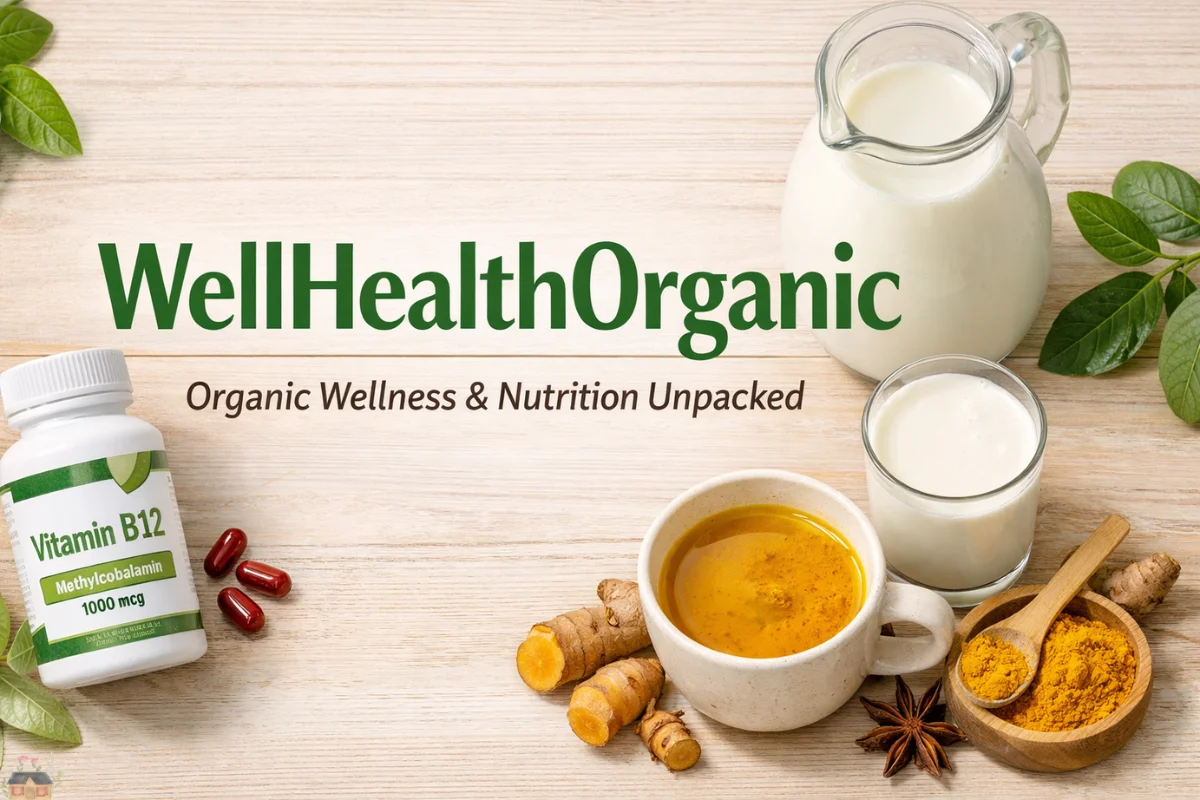
If you’ve been browsing the wellness space lately, you’ve likely stumbled across WellHealthOrganic. The name pops up everywhere—from dairy alternatives to vitamin B12 supplements and eco-friendly home goods. But what exactly is this brand, and is it worth the switch? More importantly, does the science actually back up the hype around organic products?
Let’s separate fact from hype. This isn’t a generic rehash of product descriptions. We’re going to look at what WellHealthOrganic actually offers, where it stands on quality, and—critically—what the latest research reveals about whether organic foods are truly superior.
What Is WellHealthOrganic?
WellHealthOrganic is an online platform dedicated to organic wellness products. Unlike traditional retailers that stock a mix of conventional and organic items, this brand focuses exclusively on certified organic sourcing, sustainable farming practices, and chemical-free formulations.
The company operates across multiple categories: dietary supplements like vitamin B12, dairy products such as buffalo milk, personal care items, herbal remedies, and even eco-friendly home goods. Their stated mission is holistic—not just selling products but promoting physical, mental, and environmental health as interconnected goals.
What sets them apart operationally is their emphasis on certifications. Whether it’s USDA Organic seals or GMP (Good Manufacturing Practices) facility compliance, WellHealthOrganic positions itself as a trust-first brand in an industry often clouded by greenwashing.
The Product Range: More Than Just Supplements
Most people discover WellHealthOrganic through their vitamin B12 supplements, and for good reason. B12 deficiency is widespread, particularly among vegans, older adults, and anyone with gastrointestinal conditions that impair absorption.
Vitamin B12 from WellHealthOrganic comes in multiple bioavailable forms—methylcobalamin, adenosylcobalamin, and hydroxocobalamin—rather than just the synthetic cyanocobalamin found in many mass-market supplements. This matters because methylcobalamin is the form your body actually uses without needing conversion.
Yet the story doesn’t end with supplements.
WellHealthOrganic Buffalo Milk has also gained attention. It’s positioned as a nutrient-dense alternative to conventional cow’s milk, with lower cholesterol, higher calcium content, and a creamier texture. The company emphasizes that their buffalo milk comes from ethical, sustainable farming operations, and they’ve received certifications validating those claims.
Then there’s the broader catalog: turmeric teas, under-eye creams, immunity-focused winter foods, herbal blends for bloating, and even advice on Ayurvedic remedies. It’s less a single-product company and more an ecosystem of organic living resources.
The Honest Conversation: What Science Actually Says About Organic
Here’s where we need to pause. A widespread assumption is that organic products are inherently healthier. Brands, including WellHealthOrganic, benefit when consumers believe that. However, the scientific evidence is more complex than it first appears.
Two major systematic reviews published in 2024 analyzed decades of research comparing organic and conventional foods.
The first review, covering 12 human studies, found no firm conclusion that organic fruits and vegetables provide greater health benefits than conventional produce. While organic items do contain fewer pesticide residues and sometimes higher polyphenols, the direct impact on human health outcomes remains unclear due to study design limitations and contradictory results.
The second review was even larger—147 articles, 656 comparisons, nearly 1,800 samples. The findings? In 41.9% of comparisons, there was no significant nutritional difference between organic and conventional foods. In 29.1%, organic was superior. In another 29%, results were mixed.
Translation: Organic is not universally, automatically more nutritious. Claims of blanket superiority aren’t supported by current evidence.
So why choose WellHealthOrganic?
Because nutrition isn’t the only factor, the decision to go organic often hinges on pesticide avoidance, environmental impact, and animal welfare. These are valid, science-backed reasons—they’re just distinct from the “more vitamins” argument. WellHealthOrganic’s value proposition rests more solidly on chemical-free sourcing and sustainable agriculture than on exaggerated nutritional claims.
WellHealthOrganic Vitamin B12: A Closer Look
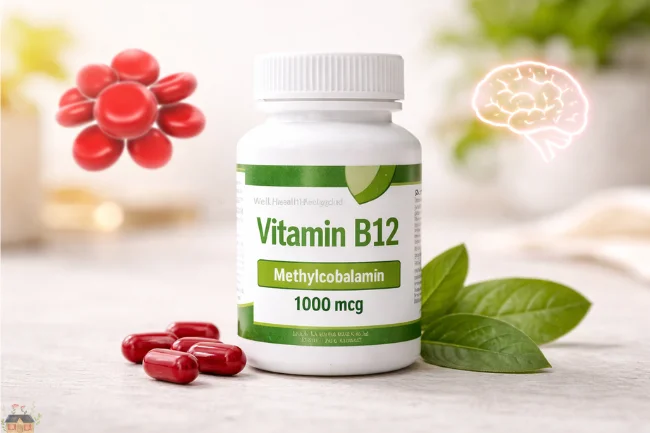
Since B12 is their flagship offering, it deserves specific attention.
Vitamin B12 supports red blood cell generation, cognitive function, DNA replication, and the body’s energy processes. Deficiency doesn’t announce itself subtly—fatigue, memory fog, mood disturbances, and even numbness in extremities are common.
WellHealthOrganic’s B12 supplements offer several practical advantages:
- Bioavailability: As mentioned, they prioritize methylcobalamin. This is the form that crosses the blood-brain barrier effectively and is retained better in tissues.
- No synthetic additives: Conventional B12 pills often contain magnesium stearate, titanium dioxide, or artificial colors. WellHealthOrganic formulations avoid these.
- Dosing flexibility: They offer various potencies, typically ranging from 250 mcg to 1,000 mcg. For most adults, 2.4 mcg daily is the baseline, but deficiency cases often require higher supplementation under medical supervision.
- Safety profile: Vitamin B12 is water-soluble, meaning excess is excreted in urine. Toxicity is rare. However, the company still advises consulting a healthcare provider before starting—standard but responsible practice.
The Buffalo Milk Proposition
Buffalo milk isn’t new; it’s a staple in South Asian diets. But WellHealthOrganic has reintroduced it to broader markets with a modern, certification-heavy approach.
Why consider it?
-
Naturally higher in calcium and protein when compared to cow’s milk
-
Lower cholesterol, contrary to what many assume
-
Luxuriously smooth texture perfect for teas, coffee, and cooking
-
No antibiotic residues or synthetic growth hormones
The barrier? Availability and price. Organic buffalo milk costs more and isn’t stocked everywhere. WellHealthOrganic has addressed this through online distribution and partnerships, but it remains a premium product.
What Customers Actually Report
Scouring real user feedback—not curated testimonials—reveals consistent patterns.
Positive experiences frequently mention energy improvement with B12 supplements, especially among vegetarians and those previously unaware of their deficiency. Several reviews note feeling the difference within one to two weeks.
The buffalo milk earns praise for taste and digestive comfort. Some lactose-sensitive individuals report tolerating it better than cow’s milk, though this isn’t universal.
Critiques center on price and shipping limitations. Organic certification costs money, and that passes to consumers. Additionally, while the website serves many regions, some rural areas still face delivery hurdles.
WellHealthOrganic vs. Conventional Alternatives
| Factor | WellHealthOrganic Products | Conventional Alternatives |
|---|---|---|
| Pesticide Exposure | Certified organic; no synthetic pesticides | Often contains detectable residues |
| B12 Form | Methylcobalamin (bioavailable) | Often cyanocobalamin (synthetic) |
| Dairy Sourcing | Grass-fed, free-range, no hormones | Variable; often CAFO-sourced |
| Additives | No artificial colors, BHA, BHT | May contain preservatives |
| Price | Premium | Lower |
| Availability | Primarily online, select retail | Widespread |
| Environmental Impact | Sustainable farming focus | Variable; often higher carbon footprint |
| Scientific Consensus on Nutrition | Comparable to conventional | Comparable to organic |
The Drawbacks You Should Weigh
No brand is perfect, and an honest assessment requires acknowledging trade-offs.
- Cost: Organic options are commonly priced above standard products. WellHealthOrganic attempts to offset this with promotions and loyalty programs, but the base prices remain higher than drugstore supplements or grocery-store milk.
- Access: Despite growth, not everyone can order easily. International shipping varies, and some products sell out quickly.
- Oversimplified Marketing: Like many organic brands, WellHealthOrganic sometimes implies nutritional superiority. As we’ve seen, the evidence says “it depends,” not “always better.” Savvy consumers should separate the valid benefits (fewer pesticides, ethical farming) from the overstated ones (dramatically more nutrients).
Who Is WellHealthOrganic Actually For?

This brand makes sense for three specific groups:
-
People with known deficiencies or absorption issues. If you’re low in B12 or iron, opting for a clean, bioavailable supplement removes unnecessary variables.
-
Consumers are prioritizing pesticide-free food. If your concern is reducing chemical exposure—especially during pregnancy or for young children—WellHealthOrganic delivers that reliably.
-
Those who vote with their wallet for sustainability. If supporting ethical farming and reducing environmental harm matters to you, this brand aligns with that value.
If your sole criterion is maximum nutrition per dollar, conventional produce and standard supplements often match organic equivalents at lower cost. That’s not anti-organic; it’s evidence-based purchasing.
FAQs
1. Is WellHealthOrganic USDA certified?
Many of their products carry USDA Organic or equivalent international certifications. Specific items display the seal on packaging and product pages. Always verify individual listings, as certification varies by product category.
2. Can WellHealthOrganic B12 alone fix my fatigue?
It largely hinges on the specific cause. If your fatigue stems from B12 deficiency, supplementation often helps within weeks. If fatigue has other roots—sleep disorders, thyroid issues, iron deficiency—B12 alone won’t resolve it. The only accurate way to determine this is through blood testing.
3. Is organic buffalo milk lactose-free?
No. Buffalo milk contains lactose, though some individuals with mild intolerance report fewer symptoms compared to cow’s milk. This is not medical advice; if you have diagnosed with lactose intolerance, proceed cautiously.
4. Are there side effects from WellHealthOrganic supplements?
Side effects are rare with B12, especially at recommended doses. Overconsumption may cause mild anxiety, nausea, or headaches in sensitive individuals. Be sure to use the product exactly as instructed on the label.
5. How do I know if I need vitamin B12 supplementation?
Common signs include persistent fatigue, memory lapses, tingling in hands or feet, pale skin, and mood changes. Keep in mind that these indicators may overlap with other underlying problems. A simple blood test measuring serum B12 or methylmalonic acid provides clarity.
Conclusion: Practical Next Steps
WellHealthOrganic occupies a legitimate space in the wellness market. They offer clean, certified organic products with transparent sourcing and genuine quality control. Their B12 supplements are bioavailable and additive-free. Their buffalo milk delivers on taste and sustainability. These represent clear strengths of the brand.
But informed consumers don’t rely on faith. The science confirms that organic products reduce pesticide exposure and support different agricultural systems, but they do not guarantee nutritional dominance. That distinction matters.
If you decide to try WellHealthOrganic, start specific. Avoid changing your entire pantry overnight. Identify one gap—perhaps a B12 supplement if you’re plant-based, or a dairy alternative if you tolerate buffalo milk—and test it for yourself. Pay attention to how you feel, not just what the label promises.
Visit their website, read the certifications, and compare a single product to your current brand. Let your own experience, guided by honest science, be the deciding factor.
Learn about Kinervus
For broader information, visit Wellbeing Makeover

Alex Carter is a writer with 10+ years of experience across tech, business, travel, health, and lifestyle. With a keen eye for trends, Alex offers expert insights into emerging technologies, business strategies, wellness, and fashion. His diverse expertise helps readers navigate modern life with practical advice and fresh perspectives.