
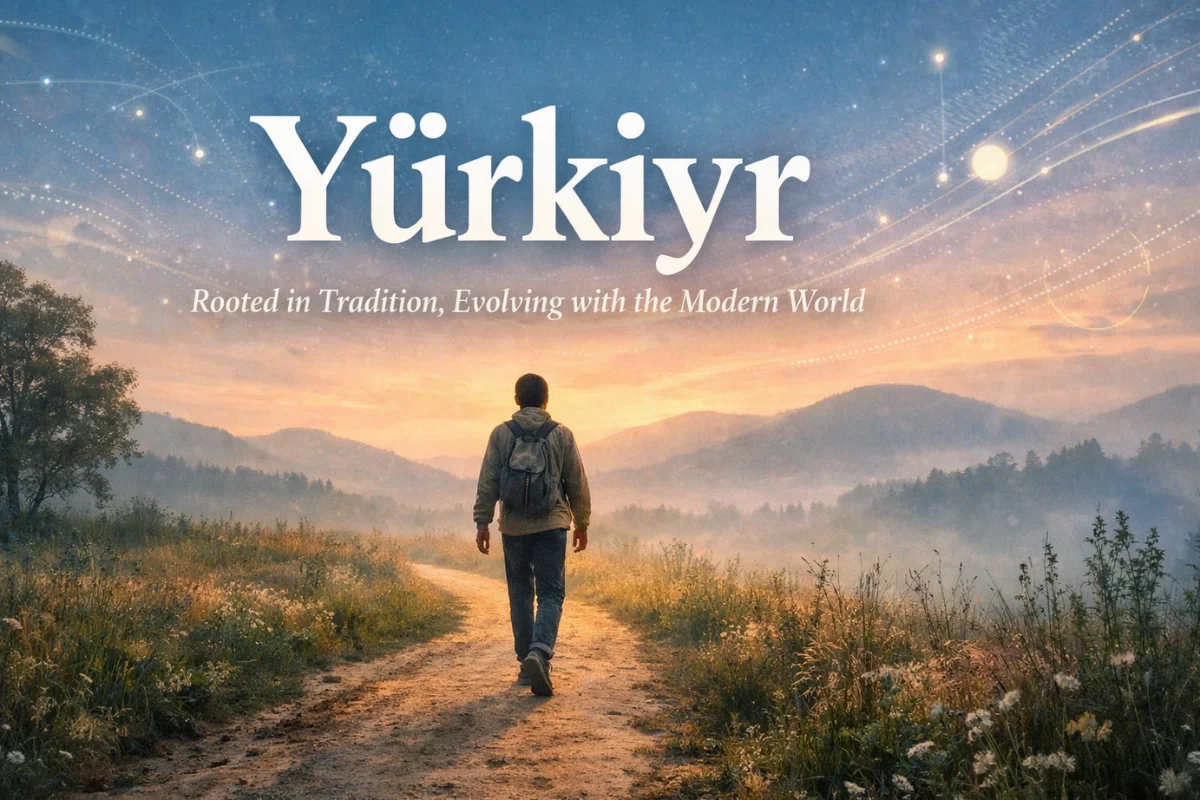
I first encountered Yürkiyr while researching how digital culture is reshaping identity and creativity. What started as a passing reference quickly became something I kept returning to—across art forums, wellness spaces, and experimental tech communities. The more I explored it, the clearer it became that Yürkiyr isn’t a trend or a single platform. It’s a living cultural concept rooted in the Turkish idea of movement and progression, and it speaks directly to the fatigue and fragmentation many of us feel in modern digital life.
In this article, I’m sharing what I’ve learned through months of reading, observing, and personally engaging with Yürkiyr-related projects and discussions. I’m not presenting a fixed definition, because Yürkiyr resists that by design. What I can offer is a grounded guide to how Yürkiyr functions as a cultural idea—one that blends ancestral wisdom with contemporary technology and invites both personal and collective evolution.
Understanding the Meaning of Yürkiyr
Linguistic roots and symbolic motion
The foundation of Yürkiyr comes from the Turkish verb “yürü-”, meaning to walk or to move forward. That alone carries a powerful implication. Movement here isn’t about speed or productivity; it’s about intentional progression. From my research into Turkish linguistics and Anatolian cultural studies, movement has long been associated with growth, adaptability, and survival—especially within nomadic traditions.
The second part of the word, often written as “-kiyr,” doesn’t have a strict grammatical definition. From what I’ve seen in academic discussions and artist statements, it’s a stylized extension—something that pushes the word into a more abstract, future-facing space. Together, Yürkiyr suggests an ongoing journey that honors where we come from while staying open to where we’re going.
Why Yürkiyr resists fixed definitions
One of the reasons Yürkiyr has spread so widely is because it refuses to be pinned down. In my experience, people use it as:
-
A philosophy of mindful movement
-
A digital art and aesthetic framework
-
A cultural wellness approach
-
A way to describe hybrid tradition-tech practices
That openness is intentional. Yürkiyr functions more like a lens than a label, allowing individuals and communities to project meaning onto it without losing its core idea of forward motion rooted in heritage.
Yürkiyr as a Living Cultural Concept
From folklore to digital culture
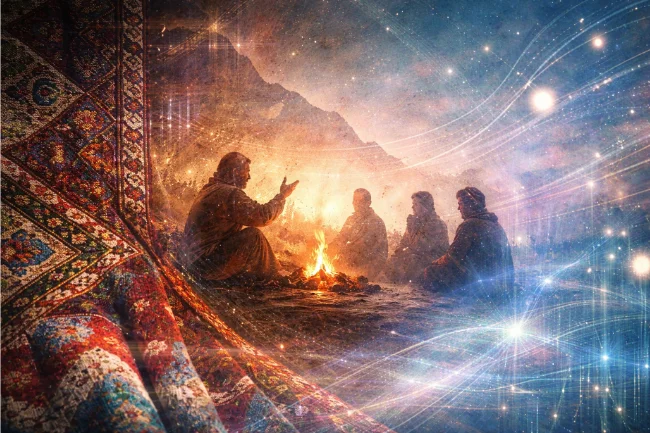
What fascinates me most about Yürkiyr is how seamlessly it bridges folklore and digital life. I’ve seen it referenced in discussions about Anatolian storytelling, then appear again in glitch art exhibitions and experimental music performances.
Rather than preserving tradition in a museum-like way, Yürkiyr treats culture as something alive. Oral histories, ritual movement, and communal memory are translated into formats that make sense for today—AR visuals, digital soundscapes, and online rituals. This approach aligns closely with contemporary anthropological thinking, which emphasizes culture as adaptive rather than static (UNESCO, Intangible Cultural Heritage Framework).
A response to modern fragmentation
From my own observation, Yürkiyr resonates most strongly with people who feel overwhelmed by hyper-connectivity. Endless notifications, productivity dashboards, and algorithmic feeds leave little room for meaning. Yürkiyr offers an alternative rhythm—slower, more intentional, and grounded in embodied experience.
It doesn’t reject technology. It reframes it.
How Yürkiyr Shows Up in Art and Music
Visual art and digital aesthetics
In visual art spaces, Yürkiyr often appears through contrast. I’ve seen artists layer traditional textile patterns with glitch effects, or animate ancestral symbols using augmented reality. The result isn’t nostalgic or futuristic—it’s both at once.
Common visual themes include:
-
Walking figures and spiral paths
-
Earth tones paired with neon or digital noise
-
Maps, symbols, and fragmented scripts
These elements communicate duality: analog and digital, memory and innovation, stillness and motion.
Music, performance, and digital ritual
Music inspired by Yürkiyr tends to blur genre boundaries. In performances I’ve watched online and in recordings, artists combine folk instruments, experimental electronics, and rhythmic structures tied to ritual movement.
What stands out isn’t technical complexity—it’s intention. Many performances are framed as digital rituals, where sound, movement, and visuals create a shared, immersive experience. Researchers studying contemporary performance art often describe this as a response to the loss of collective ritual in modern societies (Turner, The Anthropology of Performance).
Yürkiyr and Wellness: My Observations
Movement, breath, and cultural grounding
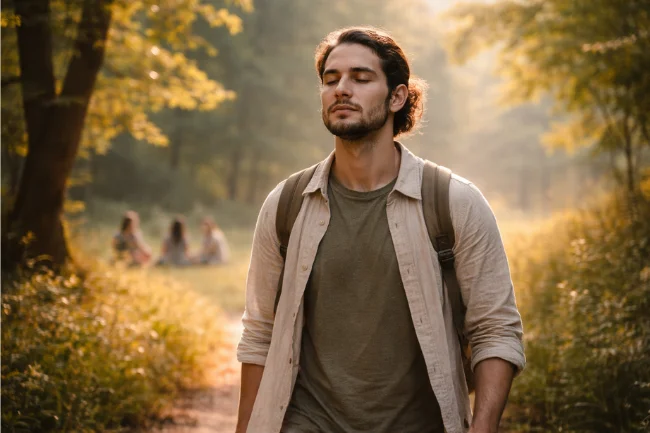
I want to be clear: Yürkiyr is not a medical or therapeutic system. What I’ve observed is how people use it as a framework for cultural wellness—a way to reconnect with body, breath, and identity without chasing optimization.
Practices commonly associated with Yürkiyr include:
-
Mindful walking
-
Breath-focused movement
-
Group storytelling
-
Slow, intentional routines
These practices are framed as cultural expression rather than self-improvement hacks, which is a refreshing shift in today’s wellness landscape.
Technology as a supportive tool
One of the most interesting developments I’ve tracked is how Yürkiyr-inspired projects use technology gently. Instead of constant engagement, tools are designed to fade into the background—offering structure without domination.
This aligns with emerging research on “calm technology,” a concept introduced by Mark Weiser, which argues that the best tools respect human attention rather than compete for it.
Yürkiyr in the Digital Ecosystem
Online platforms and micro-communities
Between 2023 and 2025, Yürkiyr gained visibility on platforms like Instagram, TikTok, Reddit, and Discord. What started as an aesthetic tag evolved into interconnected micro-communities sharing art, rituals, and reflections.
I’ve noticed that these spaces tend to value:
-
Shared authorship over individual branding
-
Pseudonymity over influencer culture
-
Process over polished outcomes
This decentralized structure helps Yürkiyr remain fluid and resistant to over-commercialization.
Comparison: Yürkiyr across different domains
Here’s a table I put together to clarify how Yürkiyr operates across various areas compared to more conventional approaches:
| Aspect | Yürkiyr Approach | Conventional Digital Culture |
|---|---|---|
| Core Value | Intentional movement and meaning | Speed, output, and optimization |
| Cultural Roots | Ancestral, folklore-inspired foundations | Trend-driven and commercially led |
| Technology Use | Calm, supportive, background presence | Attention-focused and notification-heavy |
| Creative Expression | Process-oriented, ritual-based creation | Metrics, virality, and finished outputs |
| Community Structure | Decentralized, collaborative, open-ended | Centralized platforms and hierarchies |
This contrast helps explain why Yürkiyr feels less like a product and more like an ecosystem.
Why Yürkiyr Feels Relevant Right Now
Digital fatigue and the search for meaning
In nearly every discussion I’ve followed, the same theme keeps resurfacing: exhaustion. People are tired of platforms designed to extract attention rather than support growth. Yürkiyr doesn’t promise escape, but it offers a different way of moving through the digital world.
By emphasizing intention, cultural memory, and embodied experience, it restores a sense of continuity that many of us feel is missing.
A global yet grounded movement
Although Yürkiyr draws heavily from Turkish and Anatolian roots, it isn’t limited to one culture. I’ve seen artists and creators from Europe, East Asia, and the Americas adapt its principles to their own heritage. That adaptability is what allows Yürkiyr to function as a global framework without flattening cultural differences.
Where I See Yürkiyr Going Next
From everything I’ve studied, Yürkiyr is still in its early phase. I expect it to influence:
-
Education models that integrate myth, movement, and digital tools
-
Creative technologies designed around wellbeing
-
New forms of collective storytelling and ritual
Its biggest challenge will be avoiding dilution as interest grows. Its biggest strength is its community-driven ethic, which prioritizes respect, context, and participation.
FAQs About Yürkiyr
What does Yürkiyr actually mean?
From my research, Yürkiyr represents intentional movement forward—personally and collectively—while staying rooted in cultural memory. It’s less a definition and more a guiding principle.
Is Yürkiyr tied only to Turkish culture?
Its roots are Turkish, but its use is global. People adapt Yürkiyr to their own cultural backgrounds while respecting its origin.
Is Yürkiyr a wellness method?
No. It’s better described as a cultural framework that people use to explore mindful movement and balance, based on observation and personal practice rather than medical claims.
How is Yürkiyr different from other digital art movements?
What sets Yürkiyr apart is its grounding in ancestry and ritual. It isn’t just aesthetic experimentation; it carries cultural and philosophical depth.
How can someone engage with Yürkiyr?
From what I’ve seen, engagement can be as simple as creating, walking mindfully, or joining online communities that explore art, movement, and cultural memory through the Yürkiyr lens.
How do people usually interpret this concept on a personal level?
From what I’ve observed, individuals tend to interpret it through their own life context rather than a fixed framework. Some see it as a mindset for navigating change, while others relate to it as a creative compass that helps them stay grounded while exploring new ideas.
Can this idea coexist with fast-paced professional or urban lifestyles?
Yes, and that’s one of the more interesting patterns I’ve noticed. Many people don’t abandon busy careers or city life; instead, they use the concept as an internal filter to make decisions more deliberately, even within high-speed environments.
Is participation limited to artists or creative professionals?
Not at all. While creatives were early adopters, I’ve seen educators, technologists, researchers, and community organizers engage with the idea in ways that fit their own disciplines, without needing artistic output.
How does this philosophy influence decision-making?
In practice, it often shifts focus from short-term gains to long-term alignment. People seem to use it as a check-in tool—asking whether their next step feels intentional, sustainable, and connected to their values rather than purely efficient.
What challenges do newcomers commonly face when engaging with it?
The biggest challenge is uncertainty. Because there’s no strict rulebook, newcomers sometimes feel unsure if they’re “doing it right.” Over time, most realize that ambiguity isn’t a flaw—it’s part of what allows personal meaning to emerge.
A Thought on Moving Forward
Yürkiyr continues to hold my attention because it doesn’t ask for belief or buy-in. It invites participation. Whether through art, reflection, or slow, intentional movement, it offers a way to move forward without severing ties to where we come from.
If you’re curious, my suggestion is simple: observe, engage lightly, and notice how movement—physical or digital—changes when intention leads the way.
For More Reading: Brandi Loge: Actress, Entrepreneur & Modern Changemaker
For More Info, Visit Wellbeing Makeover
Alex Carter is a writer with 10+ years of experience across tech, business, travel, health, and lifestyle. With a keen eye for trends, Alex offers expert insights into emerging technologies, business strategies, wellness, and fashion. His diverse expertise helps readers navigate modern life with practical advice and fresh perspectives.