
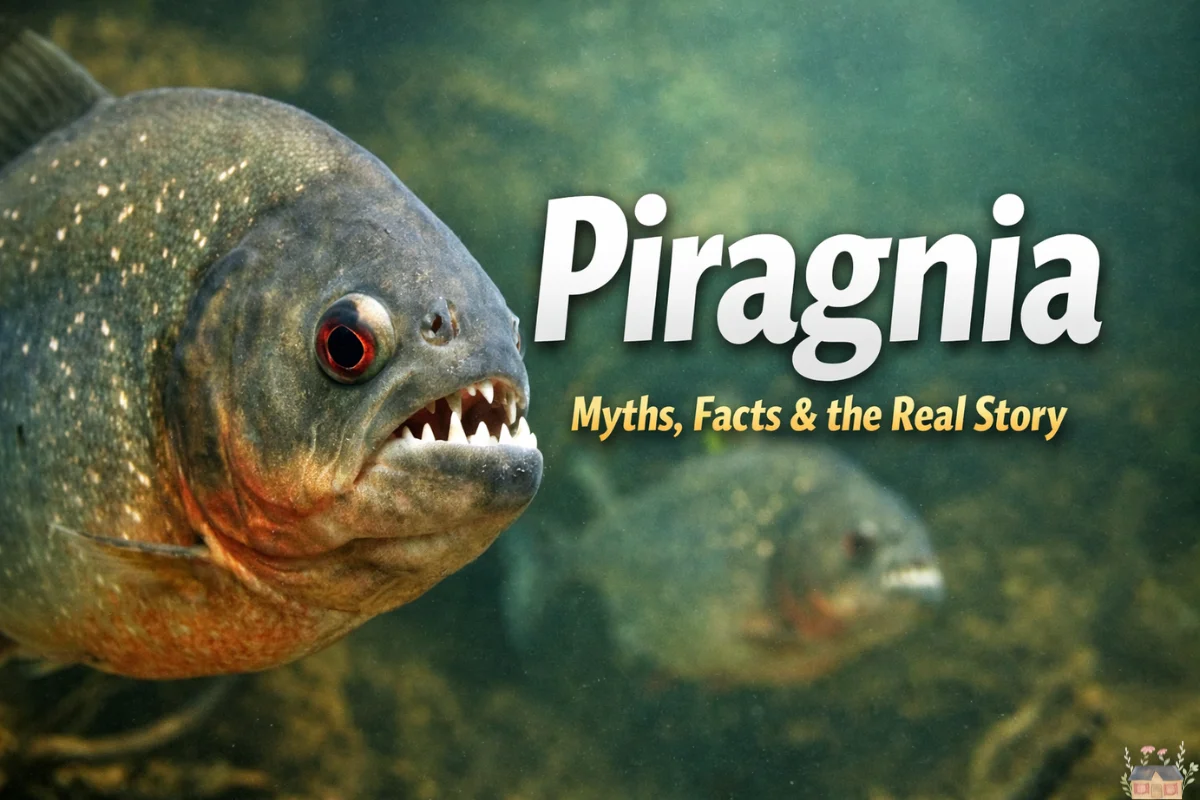
Piragnia—the very word conjures images of razor-toothed monsters lurking in murky Amazonian waters, ready to strip flesh from bone in seconds. For decades, this fearsome reputation has preceded one of South America’s most iconic freshwater inhabitants. But how much of what we think we know about piragnia is actually true?
If you’ve found yourself typing “piragnia” into a search engine, you’re not alone. Thousands of curious minds seek answers about this mysterious fish each month, often encountering conflicting information that blends scientific fact with Hollywood fiction. This comprehensive guide will take you beneath the surface—literally and figuratively—to discover the real story behind piragnia, a creature far more complex and fascinating than its terrifying reputation suggests.
Table of Contents
ToggleUnderstanding Piragnia: More Than Just a Spelling Variation
The journey to understanding piragnia begins with a simple but essential clarification: what exactly are we talking about? The term piragnia doesn’t appear in formal taxonomic records, yet it has become firmly embedded in online discussions, forums, and even casual scientific conversations about Amazonian wildlife.
Piragnia is best understood as a linguistic cousin to the more familiar “piranha”—a word that has traveled across languages, cultures, and continents, picking up variations along the way. While scientists recognize several distinct species within the Serrasalmidae family (including the well-documented red-bellied piranha, Pygocentrus nattereri), piragnia represents something slightly different: it’s the word that happens when language meets curiosity, when misspellings become memes, and when regional dialects create their own versions of biological reality.
What makes piragnia particularly interesting is how this informal term has taken on a life of its own. In Portuguese-speaking regions of Brazil, you might hear local variations; in Spanish-influenced areas along the Orinoco, still different pronunciations emerge. The digital age has accelerated this linguistic evolution, with autocorrect systems, translation apps, and forum posts spreading “piragnia” across the internet until it became a recognized—if scientifically unofficial—way to refer to these remarkable fish.
The Linguistic Journey: From Tupi Origins to Global Usage
To understand piragnia, we must first appreciate the rich linguistic heritage from which it springs. The indigenous Tupi people of Brazil gave us the original “piranha”—combining “pirá” (fish) with “ranha” or “anha” (tooth). This straightforward description captured the essence of these creatures long before European naturalists ever laid eyes on them.
The transformation from “piranha” to piragnia reveals fascinating patterns in how language evolves. Consider these pathways:
| Linguistic Factor | How It Shapes “Piragnia” | Example |
|---|---|---|
| Phonetic drift | Non-native speakers adapt sounds to fit their language patterns | Italian speakers might naturally shift “piranha” to “piragnia” |
| Typographical error | Common misspellings gain traction online | Auto-correct systems learn and propagate variations |
| Regional dialect | Local pronunciation creates permanent variations | Rural communities along the Amazon develop distinct terms |
| Digital spread | Forums and social media amplify non-standard spellings | YouTube comments, Reddit discussions cement alternative terms |
What emerges is a classic example of how scientific terminology and everyday language can diverge. While ichthyologists continue using precise taxonomic classifications, the public has embraced piragnia as a meaningful term—one that carries all the cultural weight and fascination of its more scientifically accepted counterpart.
Biological Reality: What Science Actually Tells Us
When we strip away linguistic considerations and examine the fish themselves, we enter the realm of genuine biological wonder. The creatures commonly called piragnia belong to one of the most successful fish families in South American freshwaters, with adaptations that have allowed them to thrive for millions of years.
Anatomy Built for Survival
The physical characteristics that make piragnia so distinctive are masterpieces of evolutionary engineering. Their bodies are laterally compressed—flattened from side to side—allowing them to navigate through dense submerged vegetation with remarkable agility. This shape isn’t accidental; it represents millions of years of refinement in complex riverine environments.
The infamous dentition deserves special attention. Those triangular teeth, arranged in a single, interlocking row, create a shearing mechanism that engineers still struggle to replicate. When a piragnia bites, the teeth work like a row of precisely aligned scalpels, capable of cleanly slicing through tough materials. Bite force studies have revealed that relative to body size, these fish generate pressures comparable to much larger predators—a fact that explains their efficiency as both hunters and scavengers.
Sensory Capabilities Beyond Expectation
What many discussions overlook is the sophisticated sensory apparatus these fish possess. Their lateral line system detects the slightest water movements, alerting them to potential prey or danger. Electroreceptors—specialized cells that sense electrical fields—help them navigate murky waters where visibility approaches zero. This combination of adaptations means piragnia perceive their world in ways humans can barely imagine.
Size and Growth Patterns
Contrary to popular belief, piragnia don’t achieve monstrous proportions. Most species max out between 20 and 35 centimeters, with exceptional individuals reaching perhaps 40 centimeters under ideal conditions. Their growth rates depend heavily on environmental factors: temperature, food availability, and population density all influence how quickly they mature and how large they ultimately become.
Habitat Preferences: Where Piragnia Actually Thrive
The distribution of piragnia across South America tells a story of adaptation and resilience. These fish have colonized an astonishing range of freshwater habitats, from the main channels of mighty rivers to tiny forest streams that disappear during dry seasons.
The Amazon Basin: Epicenter of Piragnia Diversity
Within the Amazon River system, piragnia occupy specific niches that maximize their survival chances. They show strong preferences for:
-
Oxbow lakes: These crescent-shaped water bodies, formed when rivers change course, provide ideal conditions with abundant vegetation and moderate currents
-
Floodplain forests: During wet seasons, rising waters allow piragnia to swim among trees, accessing fruits and insects unavailable in main channels
-
Terra firme streams: Smaller, blackwater streams support healthy populations where water chemistry differs dramatically from the main rivers
The Orinoco Connection
Venezuela and Colombia’s Orinoco River basin hosts distinct piragnia populations adapted to its particular conditions. Here, seasonal water level fluctuations can exceed 15 meters, forcing fish to develop remarkable flexibility in their habitat use. During high water, they spread across vast flooded savannas; when the waters recede, they concentrate in remaining channels, sometimes at densities that surprise observers.
Beyond South America: Introduced Populations
Human activity has extended piragnia’s range far beyond their native waters. Intentional and accidental releases have established populations in:
-
Certain regions of the United States, especially Florida and Texas
-
Various nations across Asia, such as the Philippines and China
-
Isolated water bodies across Europe (typically from aquarium releases)
These introduced populations raise serious ecological concerns. Where piragnia establish themselves, they can disrupt local food webs, compete with native species, and alter ecosystem dynamics in unpredictable ways.
Dietary Flexibility: The Truth About Feeding Behavior
Perhaps nothing about piragnia is more misunderstood than their feeding habits. The image of frenzied schools stripping prey to skeletons in seconds makes for compelling cinema, but it bears little resemblance to reality.
An Omnivore’s Menu
Piragnia are classic omnivores, their diets shifting with seasonal availability:
| Food Source | When It’s Consumed | Nutritional Role |
|---|---|---|
| Fish (smaller species) | Year-round, especially during low water | Primary protein source |
| Fruits and seeds | Flood season (abundant in flooded forests) | Energy-rich carbohydrates |
| Insects | Throughout year, surface and aquatic | Supplemental protein |
| Crustaceans | When available in preferred habitats | Minerals and variety |
| Scavenged materials | During scarcity | Survival nutrition |
| Plant matter | Opportunistically | Digestive health |
This dietary flexibility explains their success across diverse environments. When fruits rain down from flooded forest trees, piragnia gorge on this abundant resource. During dry seasons when prey concentrates in shrinking water bodies, they shift toward more predatory behavior.
The Feeding Frenzy Myth
Under what conditions do piragnia actually exhibit the aggressive feeding behavior that made them famous? Research suggests three primary triggers:
-
Extreme food scarcity during drought conditions
-
Artificial confinement where fish cannot disperse
-
Provocation from fishing activities or disturbance
Even under these circumstances, attacks on large animals remain exceptional. Most documented human bites involve single nips, often defensive rather than predatory, and typically occur when fish are handled out of water.
Social Intelligence: Schooling and Communication
Modern research has revealed surprising complexity in how piragnia interact. Their social structures rival those of many animals we consider more advanced, suggesting cognitive capabilities previously unrecognized.
The School as Superorganism
Young piragnia form schools that function almost as unified entities. These aggregations provide:
-
Predator confusion: Numerous moving targets overwhelm predator decision-making
-
Enhanced foraging: More individuals locate food sources faster
-
Risk dilution: Any single fish faces lower odds of predation
-
Learning opportunities: Juveniles observe and imitate successful foragers
As piragnia mature, schooling behavior often becomes more flexible. Large adults may hunt alone or in small groups, particularly in resource-rich environments where competition matters less.
Communication Methods
Underwater observations have documented various communication modes:
-
Visual signals through body positioning and color changes
-
Acoustic signals (many species produce audible sounds)
-
Chemical cues that convey information about reproductive status or danger
These communication channels allow piragnia to coordinate activities, warn of threats, and maintain social bonds in environments where visibility constantly changes.
Ecological Significance: Why Piragnia Matter
Removing piragnia from their native ecosystems would trigger cascading effects throughout the entire river system. These fish play roles far beyond their position in food webs.
Population Control
As predators of smaller fish and invertebrates, piragnia prevent any single species from dominating their habitat. This regulatory function maintains biodiversity by ensuring competitive species coexist rather than one eliminating the others.
Nutrient Cycling
By consuming diverse foods and moving throughout their habitat, piragnia distribute nutrients across the ecosystem. A fruit consumed in flooded forests may be excreted kilometers away, its seeds potentially germinating in new locations. This nutrient transport connects different parts of the river system in ways scientists are still understanding.
Scavenging Services
Perhaps their most valuable ecological role involves cleanup. Piragnia consume dead and dying animals, removing potential disease sources and recycling nutrients back into the food web. In ecosystems where decomposition happens rapidly, this service maintains water quality and prevents outbreaks that could affect other species.
Indicator Species
Health professionals monitoring river ecosystems pay attention to piragnia populations. Because these fish require specific water quality conditions and respond quickly to environmental changes, their presence—or absence—signals broader ecosystem health. Declining piragnia often precede larger problems affecting entire river basins.
Human Interactions: From Indigenous Reverence to Modern Tourism
The relationship between humans and piragnia spans millennia, evolving from indigenous spiritual connections to contemporary economic opportunities.
Traditional Knowledge
Indigenous communities throughout South America developed a sophisticated understanding of piragnia behavior long before scientific study began. Traditional fishing practices avoid areas where piragnia concentrate during breeding seasons. Seasonal calendars incorporate fish movements, helping communities predict when and where to fish for other species.
Some groups incorporate piragnia into spiritual beliefs, viewing them as guardians of river passages or messengers between human and spirit worlds. Their teeth appear in ceremonial regalia, symbolizing protection and strength.
Economic Dimensions
Today, piragnia generate economic value through multiple channels:
-
Sport fishing attracts tourists to remote Amazon regions
-
Aquarium trade demands sustainably collected specimens
-
Local fisheries harvest piragnia for food, particularly during low-water seasons
-
Ecotourism featuring piragnia viewing supports guide livelihoods
Balancing these economic uses with conservation needs challenges resource managers, particularly where unregulated harvest threatens local populations.
Safety Considerations
For travelers exploring piragnia habitats, practical knowledge matters more than fear. A handful of common-sense measures greatly minimizes any risk:
-
Avoid swimming in areas where fish are being cleaned or fed
-
Avoid getting into the water if you have any open cuts or injuries
-
Respect local knowledge about when and where to swim
-
Never corner or attempt to handle wild piragnia
Following these commonsense guidelines allows visitors to appreciate piragnia without incident—as millions of Amazon residents do every year.
Conservation Challenges: Protecting Piragnia for Future Generations
Despite their fearsome reputation, piragnia face genuine threats requiring conservation attention. Their populations, while still robust in many areas, show concerning declines where human pressures intensify.
Habitat Degradation
Deforestation represents perhaps the greatest long-term threat. When forests along rivers disappear, the flooded forests that piragnia depend on during wet seasons shrink. Without these seasonal habitats, reproductive success declines and populations gradually diminish.
Mining operations introduce additional stresses. Sediment from erosion smothers spawning areas. Mercury used in gold processing accumulates in piragnia tissues, potentially affecting reproduction and making fish unsafe for human consumption.
Dam Construction
Hydroelectric development fragments river systems, isolating piragnia populations and preventing migrations essential for completing life cycles. Below dams, altered flow patterns change temperature regimes and food availability, forcing fish to adapt to conditions unlike those their species evolved with.
Overharvest
In regions where fishing pressure intensifies, piragnia populations show measurable declines. The aquarium trade selectively removes attractive individuals, potentially affecting genetic diversity. Commercial fisheries sometimes overexploit local populations during low-water concentrations when fish are most vulnerable.
Climate Change
Rising temperatures and altered rainfall patterns affect piragnia habitats in complex ways. Some areas may become too warm for current species. Changing flood regimes disrupts the seasonal rhythms these fish depend on for reproduction and feeding. Scientists project significant range shifts as the climate continues to change.
🌊 FAQs
Is piragnia officially recognized as a fish species?
Piragnia is not recognized as a distinct scientific species. Instead, it functions as a common name—often a spelling variation—for various piranha species native to South American rivers. The fish referred to as piragnia belong to the family Serrasalmidae, which includes multiple officially classified species.
How dangerous are piragnia to swimmers?
In reality, the threat level is quite low. Serious attacks are rare and usually occur under unusual conditions like extreme drought, defensive reactions, or accidental handling. Most Amazon residents swim in piragnia habitats safely, especially when avoiding areas where fish are being cleaned or fed.
What should I do if I encounter piragnia while swimming?
Remain composed and keep your movements gentle. Slowly move toward shore without sudden movements. Avoid areas with visible feeding activity or large fish congregations. If fishing, remove caught fish from the water promptly to prevent unnecessary attraction.
Can piragnia be kept as aquarium pets?
Yes, but you must be fully prepared for the responsibility. Adult piragnia need large tanks (100+ gallons), strong filtration, and proper tankmates. Many regions restrict ownership due to invasive species concerns, so always check local regulations before considering one.
What’s the average life expectancy of piragnia?
In captivity, well-cared-for piragnia often live 10–15 years. In the wild, lifespans may be shorter due to predation, disease, and environmental stress—though some individuals reach advanced ages under ideal conditions.
Conclusion: Seeing Piragnia Clearly
The journey from “piragnia” as a search term to genuine understanding reveals far more than fish facts. It illuminates how human curiosity, linguistic evolution, and biological reality intersect—sometimes messily, sometimes beautifully, always fascinatingly.
What emerges from examining piragnia through multiple lenses is a creature worthy of respect rather than fear. These fish demonstrate remarkable adaptations, complex social behaviors, and ecological importance extending far beyond their immediate predatory role. They connect different parts of their ecosystems, regulate populations of other species, and serve as indicators of river health.
The next time you encounter the word piragnia—whether in an online forum, a travel blog, or a scientific discussion—you’ll understand the rich reality behind the name. You’ll recognize that beneath the fearsome reputation lies one of South America’s most successful and significant freshwater inhabitants, a fish that has captured human imagination for centuries and will likely continue doing so for centuries to come.
Understanding piragnia means seeing beyond myth to appreciate the genuine wonder of evolution’s creations. And in that appreciation, we find reasons to protect not just these fish, but the extraordinary river systems they call home—ecosystems whose health ultimately affects us all, wherever in the world we live.
For broader information, visit Wellbeing Makeover

Alex Carter is a writer with 10+ years of experience across tech, business, travel, health, and lifestyle. With a keen eye for trends, Alex offers expert insights into emerging technologies, business strategies, wellness, and fashion. His diverse expertise helps readers navigate modern life with practical advice and fresh perspectives.