

In the complex world of modern property acquisition, BRBC real estate represents a critical intersection of legal compliance and strategic investment. Specifically referring to the Buyer Representation and Broker Compensation (BRBC) agreement, this framework is now the mandatory standard for anyone looking to view, evaluate, or purchase property with professional representation.
BRBC Real Estate Definition: BRBC real estate refers to transactions governed by the Buyer Representation and Broker Compensation agreement. This legally binding contract formalizes the relationship between a buyer and their broker, explicitly defining the agent’s duties, the duration of representation, and the specific compensation terms before any property showings occur.
The New Reality of BRBC Real Estate
The landscape of real estate shifted significantly in late 2024 and early 2025. What was once a casual “handshake” agreement or a verbal understanding has evolved into a transparent, contract-first environment. Under current regulations, a signed BRBC agreement is not just a best practice—it is a legal prerequisite.
Why Transparency is the New Standard
For decades, the mechanics of how a buyer’s agent was paid remained opaque, often tucked away in Multiple Listing Service (MLS) fine print. Today, BRBC real estate protocols ensure that:
-
Compensation is Negotiable: There are no “set” or “standard” rates; fees are determined between the buyer and the broker.
-
Duty of Care is Explicit: The agreement outlines exactly what the agent will do, from searching for inventory to navigating the escrow process.
-
Protection Against “Dual Agency” Risks: By defining representation upfront, buyers are protected from potential conflicts of interest.
Strategic Pillars: Residential vs. Commercial BRBC
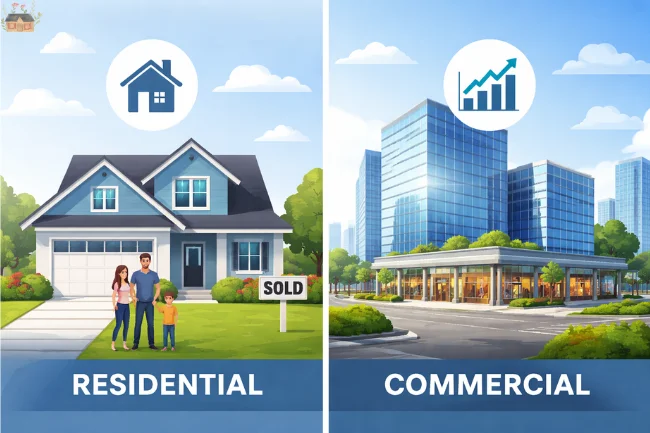
Whether you are a first-time homebuyer or a seasoned commercial developer, the BRBC framework applies across the board. However, the metrics and goals within these two sectors differ wildly.
1. Residential BRBC: The Emotional and Financial Anchor
For residential buyers, the focus is on stability and long-term appreciation. Because you are often buying a primary residence, the BRBC ensures your agent is looking for “red flags” like structural issues or unfavorable zoning changes that could impact your quality of life and resale value.
2. Commercial BRBC: The Data-Driven Approach
In commercial BRBC real estate, the relationship is built on underwriting. Your broker’s value lies in their ability to analyze Cap Rates, Net Operating Income (NOI), and Internal Rate of Return (IRR). The BRBC agreement here often includes specialized clauses for due diligence periods involving environmental reports and tenant credit audits.
Comparison: BRBC Focus Areas by Property Type
Navigating the Buying Path in 2026
Success in BRBC real estate requires a systematic approach. With the market moving toward data-heavy decision-making, follow these steps to ensure a smooth transition from search to close.
Step 1: Formalize Your Representation
Before you step foot in a property, you must sign the BRBC agreement.
-
Pro Tip: Look for “Limited Service” vs. “Full Service” options. If you only need an agent for the closing paperwork, you may be able to negotiate a different compensation structure than for a full-scale search.
Step 2: Underwrite the Value
In 2026, the “asking price” is merely a suggestion. Utilize a Comparative Market Analysis (CMA) for residential or a Discounted Cash Flow (DCF) analysis for commercial properties. Your BRBC agent should provide the raw data needed to “stress test” your investment against rising interest rates or potential vacancy spikes.
Step 3: Mitigation through Due Diligence
The BRBC framework emphasizes the agent’s role in protecting the buyer. This includes:
-
Title Search: Ensuring there are no hidden liens or easements.
-
Disclosures: Reviewing the “Transfer Disclosure Statement” (TDS) line-by-line.
-
Estoppel Certificates: For commercial deals, verifying that current tenants agree with the lease terms provided by the seller.
Read Also: Moving From New York to California: Costs, Routes & Tips
Financing Your BRBC Real Estate Investment

The way you fund your deal is as important as the price you pay. Modern financing in 2026 offers more variety but requires higher financial literacy.
Residential Mortgages
-
Fixed-Rate: Best for those planning to hold for 10+ years.
-
Adjustable-Rate (ARM): Can be strategic if you plan to refinance or sell within 5 years, especially if the yield curve is expected to shift.
-
Down Payment Assistance: Many BRBC agents specialize in finding state-level grants for first-time buyers.
Investor and Commercial Loans
Investors often look toward DSCR (Debt Service Coverage Ratio) loans. These loans focus on the property’s ability to pay for itself rather than the buyer’s personal income.
Note: In 2026, lenders are looking for a DSCR of at least 1.2x, meaning the property generates 20% more income than the debt obligations.
Common Pitfalls in BRBC Real Estate (and How to Avoid Them)
Even with a signed agreement, buyers can fall into expensive traps. Awareness is your best defense.
-
Ignoring the “Total Cost of Ownership”: Many buyers focus on the mortgage payment but forget property taxes, Mello-Roos, HOA fees, and maintenance reserves. In BRBC real estate, your agent should provide an “all-in” estimate.
-
Short-Term Thinking: Real estate is a “slow” asset. Attempting to time the market perfectly often leads to “analysis paralysis.” Focus on the time in the market rather than timing the market.
-
Failing to Audit Leases: For rental properties, never assume the current rent is “market rent.” Verify if the leases are “Gross,” “Modified Gross,” or “Triple Net (NNN).”
-
Skipping the Pre-Approval: In a competitive market, an offer without a verified pre-approval letter is often discarded immediately.
Maximizing Returns: The Investor’s Perspective
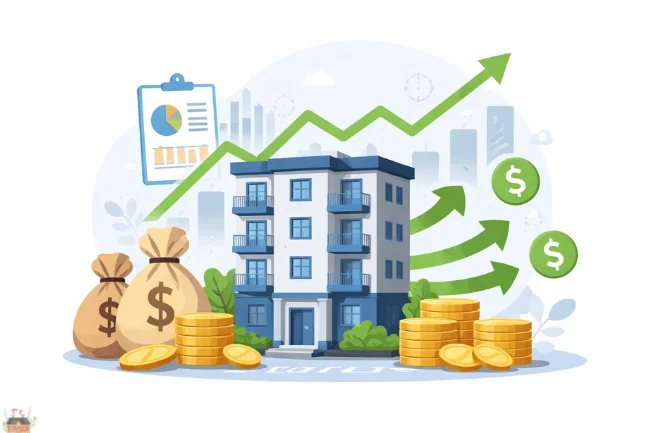
If you are treating BRBC real estate as an investment vehicle, you must master the “Three Pillars of Return”:
1. Cash Flow
The net income remaining after all operating expenses and debt services are paid. A “cash-flowing” property provides a safety net during market downturns.
2. Appreciation
While “market appreciation” is passive, “forced appreciation” is active. This involves renovating units, improving landscaping, or reducing operating expenses to increase the property’s value.
3. Tax Advantages
Property investment continues to offer some of the strongest tax benefits available to investors. Through Depreciation, 1031 Exchanges, and Mortgage Interest Deductions, investors can significantly reduce their taxable income.
FAQ: Essential Questions on BRBC Real Estate
1. Can I cancel a BRBC agreement once it’s signed?
Most BRBC agreements have a cancellation clause. Typically, you can terminate the agreement with written notice, though you may still be liable for compensation if you purchase a property that the agent specifically introduced to you during the contract period.
2. Is the BRBC required for “For Sale By Owner” (FSBO) properties?
If you want professional representation to help you negotiate or handle the legal paperwork for an FSBO, yes. The agent will need a signed BRBC to define their role and how they will be paid, as the FSBO seller may not be offering a commission to buyer brokers.
3. What is a “reasonable” compensation rate in a BRBC agreement?
There is no “reasonable” or “standard” rate. Compensation is entirely negotiable and can be a percentage of the sale price, a flat fee, or even an hourly rate. It should reflect the level of service and expertise the broker provides.
4. Does the BRBC cover commercial property?
Yes. As of 2026, the requirement for written representation agreements applies to all real property transactions, including commercial, industrial, and vacant land.
5. What happens if the seller refuses to pay the buyer’s agent?
Under the BRBC, if the seller (or the listing broker) does not cover the agreed-upon compensation, the responsibility falls to the buyer. However, buyers can often negotiate for a “seller credit” during the offer process to cover these costs.
6. What is a BRBC in real estate?
A BRBC is a Buyer Representation and Broker Compensation agreement—a legal contract that formalizes the relationship between a buyer and their agent while clearly defining how that agent is paid.
7. Is a BRBC required in California?
Yes, as of August 2024, California law and NAR regulations require a signed BRBC (or similar written agreement) before a broker can represent a buyer or show properties.
Next Steps Toward Your Next Move
The era of BRBC real estate is defined by clarity, professional standards, and data-driven strategy. Whether you are buying your first home or expanding a commercial portfolio, the key to success lies in choosing the right partner and understanding the contractual foundations of your relationship.
For broader information, visit Wellbeing Makeover

I’m Salman Khayam, the founder and editor of this blog, with 10 years of professional experience in Architecture, Interior Design, Home Improvement, and Real Estate. I provide expert advice and practical tips on a wide range of topics, including Solar Panel installation, Garage Solutions, Moving tips, as well as Cleaning and Pest Control, helping you create functional, stylish, and sustainable spaces that enhance your daily life.