What Is Caquis Persimon?
The first time I tried Caquis Persimon, I expected the same soft, overly ripe texture that many traditional persimmons are known for. Instead, I bit into a crisp, naturally sweet fruit with a clean flavor that reminded me of honey, apricot, and melon all at once. That experience immediately showed me why Caquis Persimon has become one of the fastest-growing premium fruits in European markets.
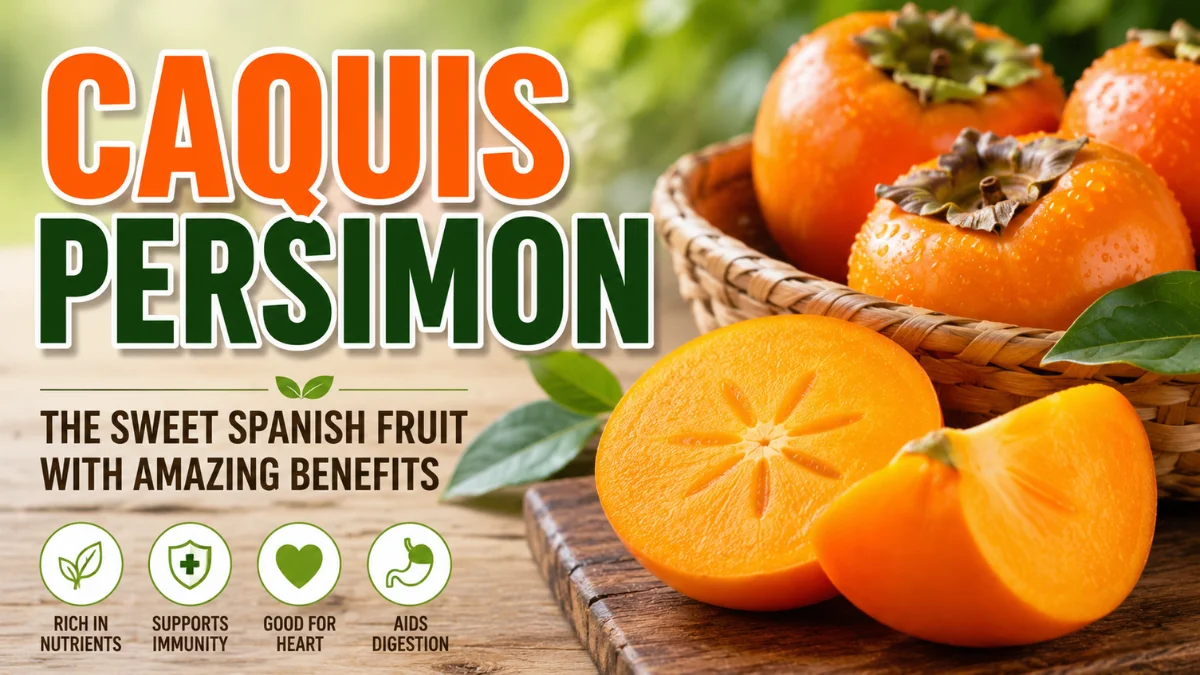
Caquis Persimon is a non-astringent variety of persimmon mainly cultivated in Spain, especially in the Ribera del Xúquer region of Valencia. Unlike many traditional persimmons that become edible only when extremely soft, Caquis Persimon can be eaten while still firm. This single characteristic has transformed consumer perception of persimmons and made the fruit far more convenient for everyday eating.
Over the last two decades, Caquis Persimon has developed a strong reputation for quality, sweetness, visual appeal, and nutritional value. From supermarkets across Europe to modern health-focused kitchens, this Spanish fruit continues gaining popularity among people looking for naturally sweet foods with practical culinary uses.
The Origin of Caquis Persimon
A Fruit with Ancient Roots
Persimmons originally come from East Asia, particularly China, Japan, and Korea, where they have been cultivated for centuries. The scientific name for the Asian persimmon is Diospyros kaki. Over time, farmers introduced persimmon trees into Mediterranean climates, where the fruit adapted remarkably well.
Spain eventually emerged as one of the world’s leading producers of premium persimmons because of its ideal growing conditions. Warm sunshine, fertile soil, and balanced humidity helped Spanish growers produce larger, sweeter, and more visually attractive fruit.
Why Ribera del Xúquer Matters
When people talk about authentic Caquis Persimon, the Ribera del Xúquer region in Valencia often enters the conversation. This area has become internationally recognized for producing high-quality persimmons under strict agricultural standards.
The region benefits from:
- Mild Mediterranean temperatures
- Fertile soil conditions
- Long sunlight exposure
- Advanced cultivation techniques
- Controlled post-harvest treatment systems
Growers in this region developed methods to remove astringency naturally while preserving firmness, which became one of the defining features of Caquis Persimon.
Today, the fruit carries Protected Designation of Origin recognition, reinforcing its connection to quality and traceability.
What Makes Caquis Persimon Different?
Many people assume all persimmons taste and behave the same way, but that is far from true. Caquis Persimon stands apart because of its texture, sweetness, and ease of consumption.
The Non-Astringent Advantage
Traditional persimmons often contain high levels of tannins before fully ripening. If eaten too early, they create a dry, chalky sensation in the mouth. This unpleasant effect is known as astringency.
Caquis Persimon undergoes a de-astringency process that removes bitterness while maintaining firmness. That means I can slice it like an apple and enjoy it immediately without waiting for it to become mushy.
For modern consumers, this convenience matters a lot.
Texture and Flavor Profile
One of the reasons Caquis Persimon appeals to such a broad audience is its balanced texture.
When firm, the fruit offers:
- A crisp bite
- Smooth flesh
- Juicy interior
- Minimal fibrous texture
Its flavor combines sweetness with subtle floral and tropical notes. I personally notice hints of honey, mango, melon, and apricot when eating a perfectly ripe piece.
As the fruit softens naturally, the sweetness intensifies, and the texture becomes smoother without losing flavor quality.
Caquis Persimon vs Traditional Persimmons
The differences become much easier to understand when viewed side by side.
| Feature | Caquis Persimon | Traditional Astringent Persimmon |
|---|---|---|
| Texture When Eaten | Firm or slightly soft | Usually very soft |
| Astringency | Removed before sale | Present until fully ripe |
| Taste | Sweet and mild | Sweet only when overripe |
| Convenience | Ready to eat sooner | Requires careful ripening |
| Culinary Use | Salads, snacks, desserts | Mostly desserts or purees |
| Consumer Preference | Higher in modern markets | Less convenient for many buyers |
This comparison explains why Caquis Persimon has become more commercially successful in many international markets.
The Rojo Brillante Variety
The most famous variety associated with Caquis Persimon is Rojo Brillante.
This variety is known for:
- Large fruit size
- Deep orange-red skin
- High sugar content
- Attractive appearance
- Excellent shelf life
Spanish growers carefully harvest Rojo Brillante persimmons while they remain firm. After harvest, the fruit undergoes controlled treatment to eliminate astringency without damaging texture.
That process allows consumers to enjoy sweetness and firmness simultaneously, which is difficult to achieve with many older persimmon varieties.
Nutritional Benefits of Caquis Persimon
Beyond taste and texture, Caquis Persimon also offers impressive nutritional value. I often recommend it to people looking for healthier sweet snacks because it satisfies cravings naturally without relying on processed sugar.
Rich Source of Vitamin A
Caquis Persimon contains beta-carotene, which the body converts into vitamin A.
Vitamin A supports:
- Eye health
- Skin maintenance
- Immune function
- Cellular repair
The fruit’s bright orange color actually signals its high carotenoid content.
Vitamin C and Antioxidants
Another major advantage is its antioxidant profile. Caquis Persimon contains vitamin C and plant compounds that help combat oxidative stress.
These antioxidants may support:
- Healthy aging
- Immune defense
- Skin health
- Cardiovascular wellness
People increasingly look for foods with natural antioxidant properties, which partly explains the fruit’s growing popularity.
Fiber for Digestion
Caquis Persimon also provides dietary fiber, helping support digestive health and satiety.
A fiber-rich fruit can contribute to:
- Better digestion
- Reduced overeating
- Stable energy levels
- Improved gut function
Because the fruit tastes naturally sweet, many people find it easier to replace sugary desserts with fresh slices of persimmon.
Low-Fat Naturally Sweet Snack
One reason I enjoy recommending Caquis Persimon is that it feels indulgent without being nutritionally excessive.
The fruit is:
- Naturally low in fat
- Cholesterol free
- Hydrating
- Rich in natural sugars instead of refined sugars
That combination makes it appealing to health-conscious consumers.
How to Eat Caquis Persimon
Eating It Fresh
The easiest way to enjoy Caquis Persimon is fresh.
I usually wash the fruit thoroughly, slice it into wedges, and eat it with the skin on. The skin is edible and contains additional nutrients and fiber.
Because the texture stays firm, it works perfectly as:
- A lunchbox fruit
- Afternoon snack
- Light dessert
- Breakfast side
Adding It to Salads
One of my favorite ways to use Caquis Persimon is in fresh salads.
Its sweetness pairs extremely well with:
- Arugula
- Spinach
- Goat cheese
- Feta
- Walnuts
- Pecans
- Balsamic glaze
The fruit adds both texture and color, making salads more visually appealing and flavorful.
Using It in Desserts
Caquis Persimon also works beautifully in desserts because of its natural sweetness.
Popular uses include:
- Cakes
- Muffins
- Tarts
- Puddings
- Yogurt bowls
- Fruit parfaits
When blended into batter or puree, it adds moisture and sweetness naturally.
Smoothies and Juices
The fruit’s soft pulp makes it excellent for smoothies.
I often combine it with:
- Greek yogurt
- Banana
- Orange juice
- Cinnamon
- Oats
The result is creamy, naturally sweet, and filling without requiring additional sweeteners.
How to Choose High-Quality Caquis Persimon
Not every persimmon on the shelf delivers the same eating experience. Choosing properly matters.
Look for Bright Color
High-quality Caquis Persimon should display:
- Deep orange coloration
- Glossy skin
- Minimal blemishes
A dull or pale fruit may indicate lower ripeness or reduced flavor quality.
Check Firmness
The fruit should feel:
- Firm but slightly yielding
- Smooth-skinned
- Heavy for its size
Avoid fruit with large bruises, cuts, or wrinkled skin.
Seasonal Availability
Caquis Persimon generally reaches peak season between October and January.
During these months, flavor quality tends to be best because the fruit is harvested at optimal maturity.
Proper Storage Tips
Storage significantly affects flavor and texture.
Room Temperature Storage
If the fruit is still slightly underripe, I leave it at room temperature for a few days.
This allows:
- Flavor development
- Slight softening
- Increased sweetness
Refrigeration
Once the fruit reaches preferred ripeness, refrigeration helps preserve quality.
Firm Caquis Persimon can often remain fresh in the refrigerator for over a week when stored carefully.
Avoid Bruising
Persimmons bruise more easily than apples or pears.
To prevent damage:
- Avoid stacking heavily
- Store gently
- Keep away from pressure points
Careful handling preserves both appearance and texture.
Why Consumers Around the World Love Caquis Persimon
Convenience Matters
Modern consumers want fruit that is easy to eat and reliable in texture.
Traditional persimmons often confuse buyers because timing matters so much. Eat them too early, and they taste unpleasant. Wait too long, and they become overly soft.
Caquis Persimon removes that uncertainty.
Attractive Appearance
Its bright orange color and glossy skin make it visually appealing in grocery displays.
Retailers appreciate fruits that:
- Look premium
- Store well
- Transport efficiently
- Maintain consistency
Caquis Persimon performs well in all these categories.
Fits Modern Health Trends
As people become more health-conscious, demand increases for naturally sweet, whole foods.
Caquis Persimon aligns with trends such as:
- Clean eating
- Plant-based nutrition
- Mediterranean diet patterns
- Functional foods
- Antioxidant-rich produce
This alignment continues driving international growth.
Sustainability in Caquis Persimon Farming
Sustainability has become increasingly important in modern agriculture, and many Spanish producers are adapting accordingly.
Water-Efficient Irrigation
Growers in Spain have invested heavily in modern irrigation systems that reduce water waste while maintaining fruit quality.
These systems help:
- Preserve local water resources
- Improve farming efficiency
- Support long-term agricultural sustainability
Integrated Pest Management
Many producers now use integrated pest management techniques to minimize excessive pesticide use.
This approach combines:
- Monitoring systems
- Biological controls
- Targeted interventions
- Environmental balance
Consumers increasingly appreciate responsibly grown produce, especially in premium fruit categories.
Supporting Local Agriculture
Seasonal fruits like Caquis Persimon also support local agricultural economies.
Unlike heavily processed foods requiring long-term industrial storage, seasonal fruit production encourages regional farming and fresher supply chains.
Global Market Growth of Caquis Persimon
The international market for premium persimmons has expanded rapidly.
European Expansion
Europe remains one of the largest markets for Caquis Persimon because consumers appreciate:
- Fresh produce quality
- Mediterranean foods
- Nutritional value
- Seasonal fruits
Spanish exports continue increasing throughout European retail networks.
Rising Interest in Other Markets
Interest has also grown in:
- Middle Eastern markets
- Asian specialty stores
- North America
- Health-focused grocery chains
Social media and food culture have contributed significantly to awareness. Once consumers experience the fruit’s texture and sweetness, repeat purchases often follow.
Common Myths About Caquis Persimon
“All Persimmons Taste Chalky”
This misconception comes from people eating astringent varieties before ripening.
Caquis Persimon is specifically processed to remove that unpleasant mouth-drying effect.
“Persimmons Must Be Mushy”
Not true.
One of the defining features of Caquis Persimon is its ability to remain firm while fully edible.
“The Skin Should Be Removed”
The skin is completely edible and contains nutrients and fiber. Some people peel it for texture preference, but it is not necessary.
FAQs
Is Caquis Persimon healthy?
Yes. Caquis Persimon contains vitamins, antioxidants, fiber, and natural plant compounds that support overall wellness when included as part of a balanced diet.
Can I eat Caquis Persimon every day?
Most people can enjoy it daily in moderation. Because the fruit contains natural sugars, portion balance still matters for individuals monitoring sugar intake.
What does Caquis Persimon taste like?
The flavor is naturally sweet with subtle notes similar to honey, melon, apricot, and mango.
Is Caquis Persimon suitable for children?
Yes. Its sweetness and soft texture make it appealing to children, especially when sliced into manageable pieces.
Can I cook with Caquis Persimon?
Absolutely. It works well in salads, desserts, baked goods, smoothies, and even savory dishes paired with cheese or cured meats.
When is Caquis Persimon in season?
Peak season typically runs from October through January, depending on growing conditions and regional climate.
Why I Believe Caquis Persimon Will Continue Growing in Popularity
After seeing how consumer preferences have evolved toward healthier, convenient foods, I believe Caquis Persimon fits perfectly into the future of fresh produce.
It offers several advantages modern buyers actively seek:
- Natural sweetness
- Easy preparation
- Attractive appearance
- Nutritional value
- Reliable eating experience
- Sustainable farming potential
Unlike many trendy foods that disappear after short popularity spikes, Caquis Persimon has practical qualities that encourage long-term demand.
Conclusion
Caquis Persimon represents far more than another seasonal fruit. Its firm texture, naturally sweet flavor, and non-astringent nature have completely changed how many people experience persimmons. From the orchards of Ribera del Xúquer to supermarket shelves across the world, this premium Spanish fruit continues earning recognition for both quality and versatility.
Whether you enjoy it fresh, blend it into smoothies, add it to salads, or use it in desserts, Caquis Persimon offers a balanced combination of flavor, nutrition, and convenience. If you have never tried it before, the next persimmon season is the perfect opportunity to discover why this fruit has become one of Spain’s most celebrated agricultural exports.
Learn about Calamariere

Julian Vane is a versatile writer at Wellbeing Makeover covering tech, health, and global culture. With years of experience across various industries, Julian brings a well-rounded perspective to lifestyle and business, helping readers stay informed and inspired in an ever-changing world.