
Houses for rent in Canberra Australia, are residential properties available for tenants who want to live in the Australian Capital Territory, usually under a fixed-term or periodic rental agreement. These homes range from compact two-bedroom cottages to large family houses with gardens, garages, heating, and access to schools, government offices, parks, and town centres. Canberra’s rental market is competitive but more stable than many other Australian capitals. In March 2026, Domain reported Canberra’s median house rent at $700 per week, while units sat at $580 per week. The vacancy rate tightened to 0.8%, which means good rental houses can still move quickly.
I usually tell renters one blunt truth: Canberra is not the place to casually “see what happens.” If you want a decent house, you need your documents ready, your budget clear, and your suburb shortlist narrowed before inspections begin.
Why Canberra Is Different From Other Rental Markets
Canberra is not like Sydney, Melbourne, or Brisbane. It is smaller, more planned, and more dependent on government, university, defence, healthcare, and professional employment.
That changes how people search for houses for rent in Canberra, Australia. Many renters are not just chasing a low weekly price. They are looking for stability, school zones, commute times, heating quality, parking, and access to town centres like Civic, Belconnen, Woden, Tuggeranong, Gungahlin, and Kingston.
Canberra also has a strong seasonal rhythm. Rental demand often rises when public sector jobs begin, university semesters approach, and families try to move before the school year starts.
The mistake many renters make is comparing Canberra rent only against bedroom count. That is too shallow. In Canberra, insulation, heating, suburb position, transport access, and whether the home has double glazing can affect your real living cost almost as much as the rent itself.
Current Rental Market Snapshot
Canberra house rents are high, but recent data shows they are not rising as aggressively as in some other Australian capitals. Domain’s March 2026 report placed Canberra’s median house rent at $700 per week, unchanged for the quarter, with unit rents also flat at $580 per week. The same report noted that vacancy tightened sharply from 1.5% to 0.8%, suggesting fewer available rentals even though rents had not jumped again.
NAB’s April 2026 Canberra property market update also described the rental market as steady, with house rents rising 3.3% over the year and unit rents rising 2.0%, the lowest rental growth among capital cities in that report. It also noted that Canberra’s population had reached about 484,600 after 1.3% growth over FY24–25, supporting ongoing housing demand.
That tells me something useful: Canberra is expensive, but it is not irrational everywhere. The best renters will not simply offer more money. They will choose the right suburb, inspect fast, apply cleanly, and avoid properties that look cheap but cost more through poor heating, long commutes, or bad layout.
Average Cost of Houses for Rent in Canberra, Australia
The median rent gives you a broad benchmark, but it does not tell the full story. A renovated four-bedroom house in Campbell, Griffith, Deakin, or Red Hill can sit far above the median. A modest three-bedroom home in outer Gungahlin, Tuggeranong, or Belconnen may be closer to the middle.
Here is a practical comparison:
| Rental Type | Typical Renter Profile | What to Expect |
|---|---|---|
| 2-bedroom house or townhouse | Couples, small families, professionals | Lower maintenance, limited yard, often competitive near town centres |
| 3-bedroom house | Families, shared tenants, relocating workers | Most balanced option for space, cost, and availability |
| 4-bedroom house | Larger families, executive renters, defence or embassy staff | Higher rent, stronger competition in premium school zones |
| Older detached house | Budget-conscious renters | More space, but check heating, insulation, windows, and energy bills |
| Renovated family home | Long-term renters wanting comfort | Higher weekly rent but often better liveability |
A cheap house is not always a cheaper life. I would rather see a renter pay slightly more for a warm, efficient home than get trapped in a cold property with high winter energy bills.
Best Canberra Areas for Renting a House

There is no single “best” suburb. That advice is lazy. The right location depends on your work, family situation, transport needs, and tolerance for commute time.
Inner North
The Inner North includes suburbs such as Ainslie, Turner, O’Connor, Dickson, Lyneham, Braddon, and Watson.
This area suits renters who want access to Civic, cafes, light rail, universities, and cultural spots. Houses here can be older and charming, but they are not always cheap. You may also find more townhouses than large detached family homes.
Choose the Inner North if lifestyle and commute matter more than getting the biggest home for your money.
Inner South
The Inner South includes Kingston, Griffith, Manuka, Narrabundah, Red Hill, Deakin, Yarralumla, and nearby suburbs.
This area is popular with professionals, diplomats, executives, and families who want established streets, good amenities, and proximity to Parliament House and central employment zones.
The downside is obvious: price. If your budget is tight, do not waste weeks chasing Inner South houses unless you are willing to compromise on size, age, or parking.
Belconnen
Belconnen gives renters a practical mix of affordability, schools, shopping, parks, and access to the University of Canberra and AIS.
Suburbs such as Bruce, Kaleen, Evatt, Florey, Macquarie, and Aranda can suit families and professionals. Belconnen is often a smart middle-ground choice because it offers space without pushing renters as far from major services as some outer suburbs.
Gungahlin
Gungahlin has grown quickly and attracts families who want newer homes, newer estates, and access to schools and shopping.
Suburbs such as Harrison, Franklin, Ngunnawal, Bonner, Moncrieff, Taylor, and Casey are popular with renters looking for modern houses. The light rail connection also makes parts of Gungahlin more attractive for commuters.
The trade-off is congestion in some peak periods and strong demand for good family homes.
Woden and Weston Creek
Woden and Weston Creek are strong choices for renters who want established suburbs, family-friendly streets, and access to hospitals, offices, schools, and shopping.
Curtin, Hughes, Lyons, Phillip, Waramanga, Fisher, Holder, and Weston can be practical options. These areas do not always get the same hype as the Inner South, but they often offer a better balance of location and liveability.
Tuggeranong
Tuggeranong is often more affordable than Canberra’s inner districts and can work well for families who need more bedrooms, outdoor space, and parking.
Suburbs such as Kambah, Wanniassa, Bonython, Calwell, Gordon, and Conder may offer better value. The trade-off is distance from Civic and some northern employment hubs.
If you work nearby or remotely, Tuggeranong can make more sense than people admit.
Canberra Rental Suburb Comparison
| Area | Best For | Main Advantage | Main Drawback |
|---|---|---|---|
| Inner North | Professionals, students, young families | Lifestyle, light rail, Civic access | Higher competition |
| Inner South | Executives, diplomats, established families | Prestige, schools, central location | Expensive |
| Belconnen | Families, university staff, professionals | Good value and amenities | Mixed property age |
| Gungahlin | Families wanting newer homes | Modern housing and growth areas | Peak-hour pressure |
| Woden/Weston Creek | Healthcare workers, families | Central-south access and services | Limited stock in some suburbs |
| Tuggeranong | Budget-focused families | More space for the rent | Longer commute to Civic |
What to Check Before Applying
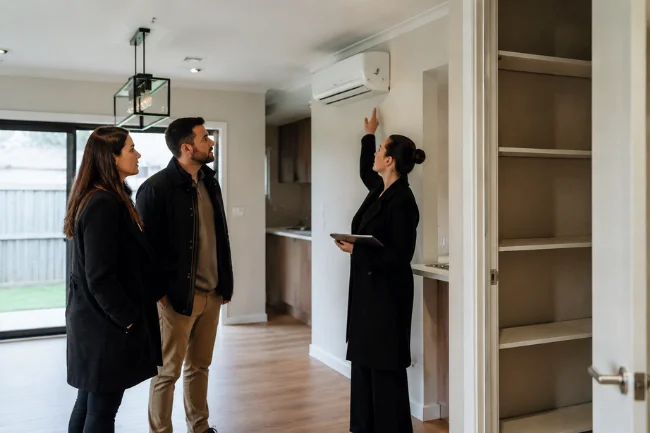
When I review rental listings, I look past the staged photos. Photos sell emotion. The inspection reveals the truth.
Check the heating first. Canberra winters are cold, and a poorly heated house can punish your budget. Look for reverse-cycle air conditioning, ducted heating, insulation, window quality, and whether bedrooms stay warm.
Check storage. Many houses look spacious in photos but lack practical cupboards, linen space, garage shelving, or outdoor storage.
Check water pressure, mould, window seals, drainage, fence condition, smoke alarms, locks, and internet availability.
Also, check orientation. North-facing living areas can make a real difference in Canberra. This is the kind of detail many online rental guides ignore, but it affects comfort every day.
If you are moving into an older house, factor in maintenance. A large yard may look beautiful until you are responsible for regular lawn care.
For renters upgrading a property after moving, small improvements such as storage, lighting, garden clean-up, and minor repairs can improve comfort quickly. Wellbeing Makeover also offers our home improvement services for people who want practical help making a home more liveable.
Documents You Should Prepare Before Inspections
In a tight market, the renter with a complete application often beats the renter who hesitates.
Prepare identification, proof of income, employment details, rental history, references, and a short renter profile. If you have pets, include a simple pet resume with vaccination details, behaviour notes, and references if available.
Do not write a desperate, emotional essay. Property managers want low risk. Show that you pay on time, communicate clearly, and will look after the home.
For shared houses, make sure every applicant has documents ready. One weak or missing application can slow the whole group.
ACT Rental Rules Renters Should Know
The ACT has specific tenancy rules, and renters should understand the basics before signing.
According to the ACT Government, tenants can be asked to pay up to two weeks’ rent in advance when starting a tenancy. The rental bond cannot be more than four weeks of rent, and the bond must be treated separately from rent. Landlords or agents must also provide key documents such as the signed tenancy agreement, receipts, keys, and condition reports.
Rent increases are also regulated. ACT Government guidance says landlords can generally increase rent only once every 12 months and usually must give at least eight weeks’ notice. In most cases, the increase is limited to no more than 10% above growth in the Canberra rents component of CPI, unless the tenant agrees in writing or ACAT allows it.
This matters because some renters only focus on the advertised weekly rent. That is not enough. You need to understand how the rent can change after you move in.
Hidden Costs of Renting a House in Canberra
The weekly rent is only the headline number. The real cost includes utilities, transport, gardening, heating, internet, parking, moving costs, and furniture.
In Canberra, heating deserves special attention. A poorly insulated detached home can cost more across winter than a smaller, better-built townhouse. Bigger is not automatically better.
Also, think about the commute cost. A cheaper house far from work may cost you more in fuel, time, parking, and stress.
I would calculate your real rental budget like this:
- Weekly rent
- Plus estimated electricity and gas
Plus internet - Plus commuting cost
- Plus garden or maintenance tools
- Plus renter’s insurance
- Plus a buffer for winter bills
That gives you a more honest number than rent alone.
How to Improve Your Chances of Getting Approved
Speed matters, but clean preparation matters more.
Inspect early. Apply the same day if the property suits you. Answer agent questions quickly. Make sure your references know they may be contacted.
Your application should feel boring in the best possible way: stable income, clean rental history, clear documents, realistic move-in date, and no confusion.
Do not apply for every property blindly. Agents can see when applicants are careless. Focus on houses you would genuinely accept.
If you have a pet, do not hide it. Be upfront and professional. A strong pet profile is better than looking evasive.
Renting a House vs Renting a Unit in Canberra
Many people search for houses for rent in Canberra, Australia, because they want space, privacy, and a backyard. That makes sense, but a house is not always the smartest choice.
A unit or townhouse may be better if you want lower maintenance, better energy efficiency, closer access to work, or a cheaper weekly rent.
A detached house is better if you need bedrooms, outdoor space, pet-friendly living, storage, or room for children.
The right choice is not emotional. It is practical.
| Option | Better For | Watch Out For |
|---|---|---|
| Detached house | Families, pets, storage, privacy | Higher bills, yard work, older building issues |
| Townhouse | Small families, professionals | Strata rules, less yard space |
| Unit/apartment | Singles, couples, students | Noise, parking limits, smaller floor area |
My Practical Canberra Rental Strategy
If I were helping someone search today, I would not start with “best suburb” lists. I would start with three filters.
First, choose your non-negotiables: bedrooms, school access, pet approval, parking, public transport, or maximum commute.
Second, set a real budget based on total monthly cost, not just weekly rent.
Third, choose three suburb clusters instead of one dream suburb. For example, instead of only searching Griffith, compare Griffith, Narrabundah, Curtin, and Hughes. Instead of only searching Gungahlin, compare Franklin, Harrison, Ngunnawal, Bonner, and Casey.
That approach gives you options without making your search chaotic.
Red Flags to Avoid
Avoid houses with vague listing descriptions, missing heating details, visible dampness, poor window condition, broken fencing, unclear parking, or no proper photos of bathrooms and kitchens.
Be careful with homes that look cheap for the suburb. Sometimes they are bargains. Often, they are cold, dated, noisy, poorly maintained, or awkwardly located.
Also, be cautious when a property has repeated listings or long vacancy periods in a tight market. Ask why.
Final Thoughts
Houses for rent in Canberra, Australia, can offer excellent lifestyle value, especially for families, professionals, public sector workers, students with shared arrangements, and people relocating for stable work. But the market rewards prepared renters, not casual browsers.
Start with your real budget, choose suburb clusters carefully, inspect the heating and condition properly, and submit a complete application fast. That is how you avoid wasting time and give yourself the best chance of securing a home that actually fits your life.
FAQs
What is the average rent for houses in Canberra, Australia?
Domain reported Canberra’s median house rent at $700 per week in the March 2026 quarter. Actual rent varies by suburb, size, and property condition.
Is Canberra expensive for renters?
Yes, Canberra is expensive compared with many regional markets, but recent rental growth has been steadier than in several other capitals.
What are the best suburbs to rent a house in Canberra?
Belconnen, Gungahlin, Woden, Weston Creek, Inner North, Inner South, and Tuggeranong can all work, depending on budget, commute, schools, and lifestyle.
How much bond can a landlord ask for in Canberra?
In the ACT, the bond cannot be more than four weeks of rent, and tenants may be asked to pay up to two weeks’ rent in advance.
Can rent be increased at any time in Canberra?
No. ACT rules generally allow rent increases only once every 12 months, with at least eight weeks’ notice in most cases.

I’m Salman Khayam, the founder and editor of this blog, with 10 years of professional experience in Architecture, Interior Design, Home Improvement, and Real Estate. I provide expert advice and practical tips on a wide range of topics, including Solar Panel installation, Garage Solutions, Moving tips, as well as Cleaning and Pest Control, helping you create functional, stylish, and sustainable spaces that enhance your daily life.