
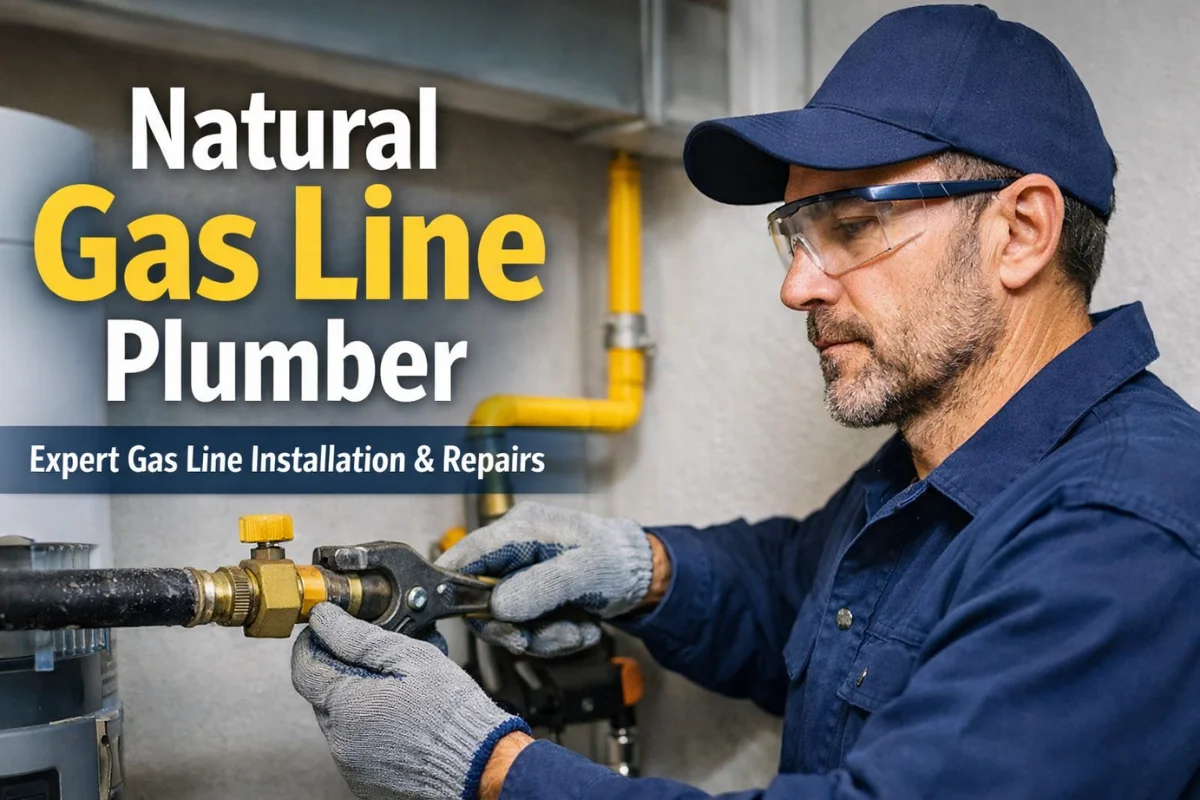
I’ve dealt with more natural gas line plumber jobs than I ever expected to, both in properties I own and in situations where things had already gone wrong. Every time someone searches gas line plumbing near me, it’s usually because something feels urgent — a smell, a failed appliance, or a renovation that just uncovered a gas pipe where no one expected one.
I’m writing this from firsthand experience, not theory. I’ve seen gas work done perfectly and quietly, and I’ve seen it handled poorly with consequences that lingered for years. This guide reflects how I personally evaluate gas line plumbing, what I’ve learned the hard way, and what I now refuse to compromise on.
Quick Summary
-
A qualified natural gas line plumber treats permits and pressure tests as mandatory, not optional
-
Searching for “24 gas line plumbing near me” usually means speed matters — but safety matters more
-
Gas pipe material choices directly affect longevity, safety, and inspection approval
-
Many gas line failures start small and go unnoticed until they escalate
-
Local code expertise is more valuable than generic plumbing experience
Why Hiring a Natural Gas Line Plumber Is Not the Same as Hiring a Regular Plumber
This is one of the biggest misconceptions I see. I’ve hired plumbers for decades, but gas line plumbing lives in a completely different category. Water leaks cause damage. Gas leaks create danger.
A true natural gas line plumber understands far more than pipe fitting. They account for:
-
Fuel pressure and BTU demand
-
Combustion air requirements
-
Appliance manufacturer clearances
-
Local fuel gas codes and inspections
When someone advertises themselves as a general plumber but downplays gas work, I walk away. Gas systems don’t forgive shortcuts.
When I Search for Gas Line Plumbing Near Me Without Waiting
There are situations where I don’t compare quotes or check reviews for an hour. I make the call immediately.
Emergency Gas Line Plumbing Situations I Never Ignore
-
I smell gas indoors or near the meter
-
A gas appliance clicks repeatedly but won’t ignite
-
A flexible connector shows rust, kinks, or cracking
-
Construction exposes unknown or uncapped gas piping
In those moments, “24 gas line plumbing near me” isn’t a convenience search. It’s a safety decision.
Gas Line Work That Still Requires a Licensed Gas Plumber
Even when it doesn’t feel urgent, I never DIY these jobs:
-
Adding a gas stove, dryer, or water heater
-
Extending a gas line to an outdoor kitchen or grill
-
Converting appliances from electric to gas
-
Relocating a gas meter or main shutoff
Every one of these changes affects system pressure and inspection approval.
How I Vet a Natural Gas Line Plumber Before I Hire Them
I’ve refined my screening process over time, mostly by learning what happens when I don’t.
Licensing and Permits for Gas Line Plumbing
The first question I ask is simple:
Are you licensed for gas line plumbing in this city, and do you pull permits?
A competent gas plumber answers immediately and confidently. Anyone who hesitates or suggests skipping permits doesn’t get hired.
Pressure Testing Standards I Expect from a Gas Line Plumber
Every legitimate gas line plumber I trust insists on pressure testing. I look for:
-
Manometer or digital pressure gauge testing
-
Test durations that meet or exceed local code
-
Clear documentation for inspectors
If someone suggests a quick soap-bubble test on a new or modified line, I stop the job.
Gas Line Pipe Materials Explained by a Natural Gas Line Plumber’s Results
Pipe choice isn’t cosmetic. I’ve seen the wrong material fail simply because it wasn’t suited to the environment.
Common Gas Line Materials Compared
| Material Type | Typical Use Case | Pros | Cons | Lifespan |
|---|---|---|---|---|
| Black Iron Pipe | Indoor mains, long runs | Extremely durable, code-approved | Labor-intensive, can rust | 50+ years |
| CSST | Retrofits, tight spaces | Flexible, fewer joints | Must be bonded properly | 30–50 years |
| Copper* | Older systems, propane | Corrosion resistant | Not allowed everywhere | 20–40 years |
| PE Pipe | Underground exterior lines | Flexible, corrosion-proof | Outdoor use only | 50+ years |
*Copper legality varies by jurisdiction.
My default indoors is black iron unless space constraints make CSST the safer option. Underground, PE pipe has proven reliable when installed correctly.
What Gas Line Plumbing Near Me Actually Costs in the Real World
Prices vary by region, but trends stay consistent. Here’s what I’ve paid or been quoted over the years.
Typical Gas Line Plumbing Cost Ranges
| Service Type | Average Cost Range | What Affects Cost |
|---|---|---|
| Gas Leak Detection | $150 – $400 | Equipment used, access difficulty |
| Appliance Hookup | $250 – $750 | Distance, permits, shutoff location |
| New Gas Line Installation | $500 – $2,500+ | Pipe length, load calculation |
| Emergency Gas Repair | $300 – $1,200 | After-hours service, severity |
| Full System Replacement | $3,000 – $10,000+ | Home age, code upgrades |
When pricing seems unusually low, it’s almost always because something critical is missing.
Why Local Gas Line Plumbing Knowledge Beats Generic Experience
I’ve worked in multiple cities, and I can say this with confidence: gas codes are local, not universal.
A plumber who specializes in gas line plumbing near me understands:
-
Which pipe materials do inspectors prefer
-
Shutoff valve placement rules
-
When seismic valves are required
-
How utility companies coordinate meter work
For national safety guidance, I regularly reference the National Fire Protection Association fuel gas standards, which form the backbone of most local codes and inspections.
What I Learned Firsthand About Natural Gas Line Failures
This section exists because experience taught me lessons I won’t forget.
Small Gas Leaks Cause the Biggest Problems
The most dangerous gas leak I encountered wasn’t obvious. No loud hiss. No strong smell. Just elevated carbon monoxide readings that didn’t make sense.
A loose joint had slowly filled a wall cavity.
That taught me two things:
-
Gas leaks don’t always announce themselves
-
Detection tools matter as much as repair skills
Older Homes and Hidden Gas Line Risks
In pre-code homes, I’ve found:
-
Live gas lines are abandoned behind walls
-
Mixed materials installed decades apart
-
Shutoff valves that no longer fully close
A seasoned natural gas line plumber expects these issues and plans for them.
How 24 Gas Line Plumbing Calls Actually Play Out
I’ve made emergency calls in the middle of the night. Here’s what really happens.
-
The plumber stabilizes the situation first
-
Temporary caps or shutoffs may be installed
-
Permanent repairs often wait for permits and inspections
I now ask upfront whether the visit includes full repair or emergency stabilization only. That clarity avoids frustration later.
Red Flags I Watch for When Hiring a Gas Line Plumber Near Me
After years of experience, these are non-negotiable deal breakers:
-
No permit offered
-
No pressure testing planned
-
Overconfidence without code references
-
Refusal to coordinate the inspection
Gas line plumbing demands precision and humility.
My Personal Recommendation on Gas Line Plumbing Decisions
If you’re planning gas work — even months out — build a relationship with a reputable natural gas line plumber now. Emergencies are not the time to vet contractors.
I keep two licensed gas plumbers saved in my phone. I’ve never regretted that.
The Real Value of Professional Gas Line Plumbing
You’re not just paying for pipe and labor. You’re paying for:
-
Risk reduction
-
Inspection approval
-
Insurance protection
-
Long-term peace of mind
From my experience, those benefits compound over time.
Next Step: What I’d Do If I Were You
If something feels off or you’re planning an upgrade, call a licensed natural gas line plumber in your area, ask about permits and pressure testing, and don’t rush the decision. Safe gas work is methodical by necessity.
FAQs About Natural Gas Line Plumbers
How do I know if I need a natural gas line plumber or a general plumber?
If the work involves gas supply, pressure, or appliances, you want a plumber licensed
specifically for gas systems.
Is it safe to stay home during gas line plumbing repairs?
It depends on the severity. I’ve been asked to leave during active leaks and allowed
to stay during isolated repairs. Always follow professional advice.
How long does gas line installation usually take?
Simple hookups may take a few hours. New gas line installations often take one to two
days, including inspection.
Why does gas line plumbing cost more than water line work?
Higher risk, stricter codes, specialized tools, and mandatory inspections all increase
complexity and cost.
Can one gas line plumber work on both natural gas and propane?
Not always. Propane systems operate differently and require specific experience.
Always ask before hiring.
This article is based on personal experience and general industry knowledge. Gas line work involves serious safety risks and local code requirements. Always consult and hire a licensed professional for inspection, installation, or repair of any gas system. The information here should not be used as a substitute for professional advice or an on-site evaluation.
For More Reading: Emergency Plumber Orange County | 24 Hour Plumbing Help

I’m Salman Khayam, the founder and editor of this blog, with 10 years of professional experience in Architecture, Interior Design, Home Improvement, and Real Estate. I provide expert advice and practical tips on a wide range of topics, including Solar Panel installation, Garage Solutions, Moving tips, as well as Cleaning and Pest Control, helping you create functional, stylish, and sustainable spaces that enhance your daily life.