
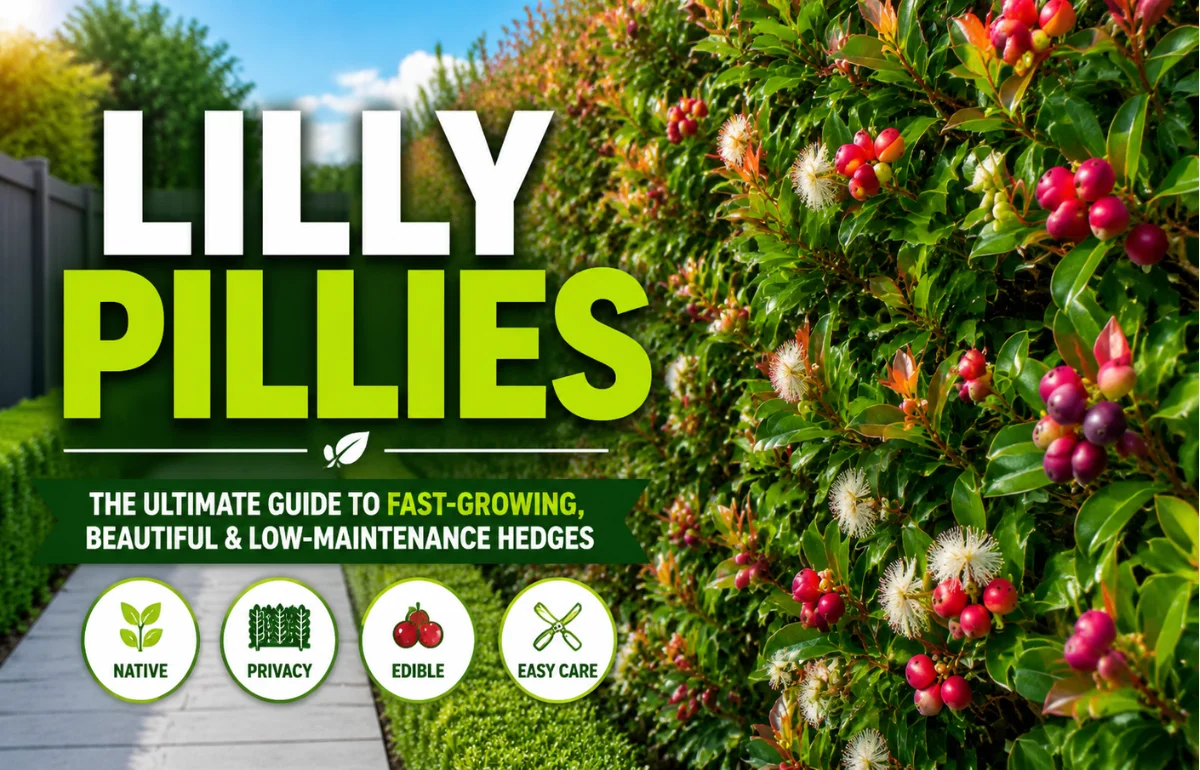
Lilly Pillies are fast-growing, evergreen native trees and shrubs belonging to the genera Syzygium, Acmena, and Waterhousea, widely used across Australian gardens for hedging, screening, and ornamental planting. They produce glossy foliage, fragrant white flowers in summer, and colourful edible berries ranging from red to purple. Known for adapting to a wide range of climates and soils, Lilly Pillies are a go-to choice for homeowners who want year-round greenery and privacy without excessive maintenance.
I’ve been gardening in subtropical Australia for over a decade, and if there’s one plant I come back to time and again — whether I’m helping someone screen off a boundary fence or transform a bare backyard — it’s the Lilly Pilly. There’s a reason they’re found in almost every street, courtyard, and council planting scheme across the country.
What Makes Lilly Pillies So Popular in Australian Gardens?
The short answer: they’re incredibly versatile. Lilly Pillies check nearly every box a gardener could want. They’re evergreen, which means no bare, skeletal branches in winter. They’re fast-growing, often putting on 1–1.5 metres of growth per year in the right conditions. They respond beautifully to pruning, so you can keep them as a neat 1-metre pot plant or let them develop into a 10-metre feature tree.
But it goes deeper than convenience. Lilly Pillies are native to the Australian rainforest, so they naturally support local birdlife. The berries attract honeyeaters, rosellas, and silvereyes. The dense canopy gives smaller birds shelter. From a biodiversity standpoint, planting Lilly Pillies isn’t just a garden decision — it’s an ecological one.
One thing most gardeners don’t realise is that Lilly Pillies have gone through significant naming changes over the decades. Older references will point to Eugenia as the genus, but today they’re properly classified as Syzygium, Acmena, or Waterhousea depending on the specific species. If you’ve ever stood in a nursery looking confused at two plants that seem identical but carry different Latin names, this is why.
The Different Types of Lilly Pillies: Knowing Which One to Choose
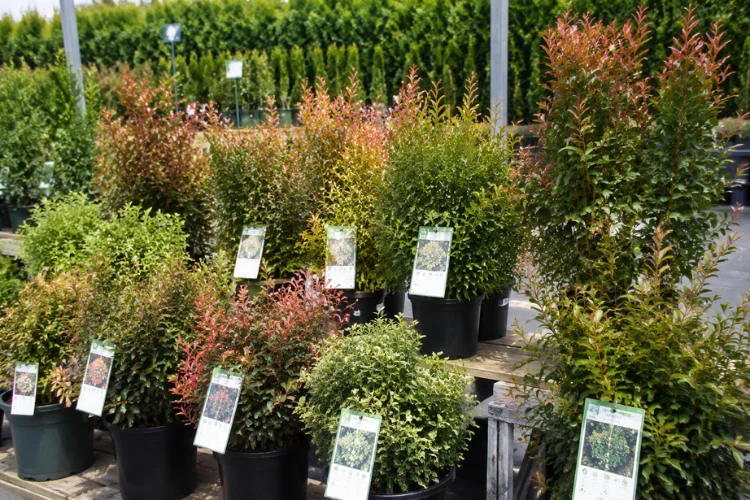
This is where most people get tripped up, and honestly, it’s the most important decision you’ll make. There are dozens of cultivars on the market, and they don’t all behave the same way. Planting the wrong variety for your space is the single biggest mistake I see home gardeners make.
Compact and Dwarf Varieties
Cultivars like Syzygium ‘Tiny Trev’, ‘Baby Boomer’, and ‘Resilience’ typically stay between 1 and 3 metres with minimal pruning. These are ideal for courtyards, pot plantings, or tight boundary lines where you need screening without overpowering the space. ‘Resilience’ in particular has become a standout choice because it was specifically bred for resistance to Lilly Pilly psyllid — the primary pest that causes those unsightly pimpled leaves on older varieties.
Mid-Range Hedging Varieties
For the standard backyard privacy hedge sitting between 2 and 5 metres, Syzygium ‘Select’, ‘Backyard Bliss’, and Acmena ‘Allyn Magic’ are reliable performers. They maintain dense foliage from the ground up, respond well to hard trimming, and offer attractive new growth flushes in coppery-red or pink tones that gradually mature to deep green.
Tall Screening and Feature Trees
If you’re working with a large block or need to screen a two-storey structure, cultivars like Syzygium australe ‘Straight and Narrow’, ‘Pinnacle’, and Waterhousea floribunda (the Weeping Lilly Pilly) grow between 5 and 10 metres. The Weeping Lilly Pilly is particularly striking as a standalone feature tree — its pendulous branches give it a character that most other natives simply don’t have.
Lilly Pilly Variety Comparison Table
How to Plant and Care for Lilly Pillies
Soil and Position
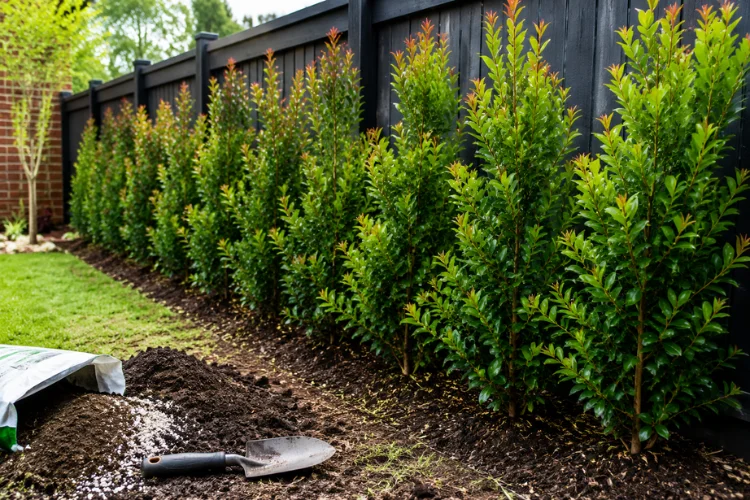
Lilly Pillies are adaptable, but they do have preferences. They thrive in well-drained, fertile soil — sandy loam to light clay works well, provided water doesn’t pool at the roots for extended periods. Waterlogged soil is the fastest way to stress or kill them. Most varieties handle full sun or semi-shade, though you’ll get lusher, denser growth in a position with at least four to six hours of direct sunlight daily.
When I planted a row of ‘Straight and Narrow’ along a western boundary fence a few years back, I spent extra time amending the compacted clay soil with compost and coarse grit before planting. The difference in growth rate compared to a neighbour’s untreated planting was visible within the first season.
Watering and Mulching
In the establishment phase — roughly the first 12 months — consistent moisture is critical. Water deeply two to three times per week rather than light surface watering. Once established, Lilly Pillies are remarkably drought-tolerant and largely self-sufficient in regions with regular rainfall.
Mulching is non-negotiable. A 5–7cm layer of organic mulch around the root zone retains moisture, moderates soil temperature, and suppresses weeds. Keep mulch a few centimetres clear of the trunk to prevent collar rot.
Pruning for Shape and Density
One of the reasons Lilly Pillies are so widely used in formal gardens and commercial landscapes is their tolerance of hard pruning. You can trim them into tight hedges, balls, cones, or even cloud-pruned topiary forms. The best time to prune is after flowering in late summer or early autumn, though light shaping can be done any time.
Avoid pruning in late autumn or winter in frost-prone areas, as new growth stimulated by pruning can be vulnerable to cold snaps.
The Psyllid Problem — and How Modern Cultivars Solved It
If you’ve ever seen a Lilly Pilly hedge covered in lumpy, blistered leaves that look like they’ve been poked with a hot pin, you’ve seen psyllid damage. Lilly Pilly psyllid (Trioza eugeniae) is a sap-sucking insect that lays eggs in new growth, causing the characteristic pimpling that disfigures foliage.
For years, this was one of the main arguments against planting older Lilly Pilly varieties in high-visibility spaces. The solution came through selective breeding. Nurseries and plant breeders spent considerable time developing cultivars with natural psyllid resistance, and the results have been genuinely impressive. Varieties like ‘Resilience’, ‘Backyard Bliss’, ‘Hedgemaster’, and ‘Straight & Narrow’ were specifically chosen or bred for this trait.
What most online sources won’t tell you is that psyllid resistance isn’t binary — it’s a spectrum. No cultivar is completely immune under severe infestation pressure, particularly in humid coastal climates where psyllid populations are dense. Managing surrounding conditions (avoiding excessive nitrogen fertiliser, which produces the soft new growth psyllids prefer) gives you an added layer of protection beyond cultivar selection alone.
Lesser-Known Uses for Lilly Pillies
Edible Berries and Bush Tucker
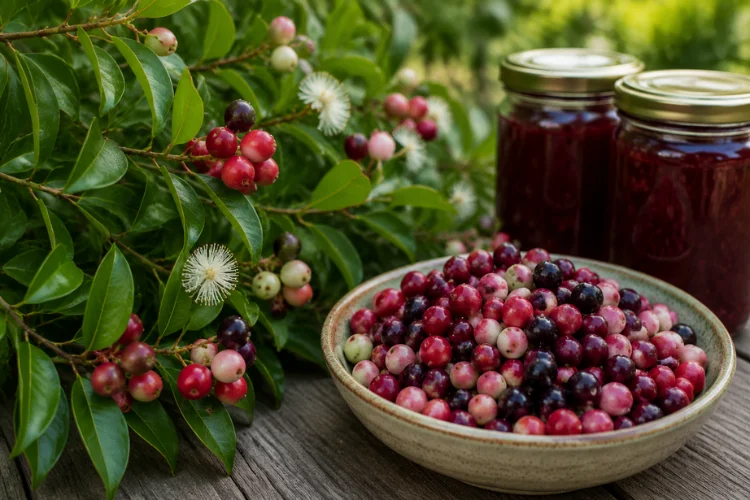
The berries produced by most Lilly Pilly varieties are edible, and they’ve been used in Australian Indigenous cuisine for thousands of years. They have a tart, slightly spicy flavour — somewhere between a cranberry and a rose hip — and are excellent for jams, jellies, sauces, and even gin infusions. The colour of the fruit varies by variety, ranging from vivid red to deep magenta and cream-white.
This is an aspect of the plant that rarely makes it into mainstream garden guides, which tend to focus purely on the ornamental side. If you’re interested in pairing edible landscaping with gardening knowledge, there’s a growing range of step-by-step learning resources available that explore exactly this kind of food-garden integration.
Fire-Resistant Planting
Certain Lilly Pilly varieties — particularly Acmena smithii cultivars — carry fire-retardant properties due to their high moisture content and dense leaf structure. In bushfire-prone regions, they are sometimes planted as part of a strategic buffer zone around buildings. This isn’t a substitute for a proper fire management plan, but it’s a dimension of the plant that’s genuinely underappreciated.
Common Problems and How to Fix Them
Beyond psyllid, the issues I encounter most often with Lilly Pillies are:
- Root rot: Almost always caused by poor drainage. Address the soil before replanting rather than simply replacing the plant.
- Yellowing leaves: Usually a sign of iron or manganese deficiency in alkaline soils. An application of chelated iron or a soil acidifier typically resolves this quickly.
- Sparse lower foliage: Often a pruning issue. If you’ve been trimming only the top and sides, the plant directs energy upward, and the base thins out. Cutting back into the canopy more aggressively in spring encourages the plant to push new growth lower down.
- Slow establishment after transplanting: Lilly Pillies have relatively sensitive root systems. If transplanting a mature specimen, reduce the canopy by about a third to match the root mass and water consistently for the first two seasons.
FAQs About Lilly Pillies
How fast do Lilly Pillies grow?
Most varieties grow between 1 and 1.5 metres per year under good conditions, meaning you can establish a privacy hedge within two to three years from a 200mm pot.
Are Lilly Pillies suitable for small gardens?
Yes — compact cultivars like ‘Tiny Trev’ and ‘Resilience’ are specifically suited to small gardens, pots, and courtyard spaces, growing to just 1–3 metres.
Can Lilly Pillies grow in full shade?
They tolerate semi-shade well, but growth is slower and less dense than in full sun. At least four hours of direct light daily is recommended for the best results.
Are Lilly Pilly berries safe to eat?
Yes, the berries of most Lilly Pilly varieties are edible and have been consumed by Indigenous Australians for generations. They’re tart and flavourful, though not all hybrid cultivars produce significant quantities of fruit.
What is the best Lilly Pilly for a privacy hedge?
For most suburban backyards, ‘Resilience’ or ‘Backyard Bliss’ are the top choices — both are psyllid-resistant, grow to a manageable 2–4 metres, and maintain dense foliage from top to bottom.
Final Thoughts
Lilly Pillies have earned their place as the backbone of Australian garden design — not through marketing or trend cycles, but through genuine performance. They’re hardy, beautiful, native, and endlessly adaptable. Whether you’re screening off a neighbour’s roofline, creating a low hedge along a driveway, or growing a weeping feature tree as a focal point, there’s a Lilly Pilly suited to the job.
The key is matching the right variety to your space, soil, and climate before you plant — because once you do, you’ll spend far more time enjoying your garden than maintaining it. If you’re ready to go deeper on plant selection, soil preparation, and garden design principles, exploring dedicated learning resources is a great next step.
Other Resources
- Crepe Myrtles: 9 Reasons Gardeners Love Them
- Greenhouse and Garden Shed Combination: Perfect for Your Garden

I’m Salman Khayam, the founder and editor of this blog, with 10 years of professional experience in Architecture, Interior Design, Home Improvement, and Real Estate. I provide expert advice and practical tips on a wide range of topics, including Solar Panel installation, Garage Solutions, Moving tips, as well as Cleaning and Pest Control, helping you create functional, stylish, and sustainable spaces that enhance your daily life.